
So, you’re looking into air fryers and wondering about the sizes, right? That's a super smart question to ask before you buy one. It’s kind of like picking out a new couch, you wouldn’t just grab any old thing, you need to see if it fits your living room and how you'll actually use it. Air fryers are no different!
Getting the right size can make all the difference between loving your air fryer and having it take up valuable counter space, or worse, not being big enough for what you want to cook. Let's break down what you need to know.
Why Air Fryer Size Even Matters
Picking the right air fryer size really boils down to a few key things: how many people you're usually cooking for, the types of food you plan to make, and the available space in your kitchen. A tiny air fryer might be fine for a single person wanting to crisp up some fries or reheat leftovers, but it’ll be a constant struggle if you're trying to cook dinner for a family of four.
Conversely, a massive air fryer oven might be overkill and take up a huge chunk of your countertop real estate. Think of it like buying a pot or pan; you wouldn't use a giant stockpot to boil one egg. The capacity you need directly impacts how efficiently and effectively you can use the appliance.
Standard Air Fryer Size Categories Explored
Air fryer capacities are most commonly measured in quarts (qt), which refers to the internal volume of the cooking basket or chamber. This measurement gives you a good idea of how much food you can fit inside for a single cooking cycle. As of 2026, most manufacturers adhere to these general size categories, making it easier to compare different models.
Compact/Small Air Fryers (1.5 – 3 qt)
If you live alone, are a pair of home cooks, or just want a quick way to reheat snacks or make small portions, a compact air fryer is likely your best bet. These units are designed to be space-efficient, making them ideal for smaller kitchens or for those who prefer to keep their countertops clear. Their smaller size also means they heat up very quickly, saving you time when you just need a fast crisp.
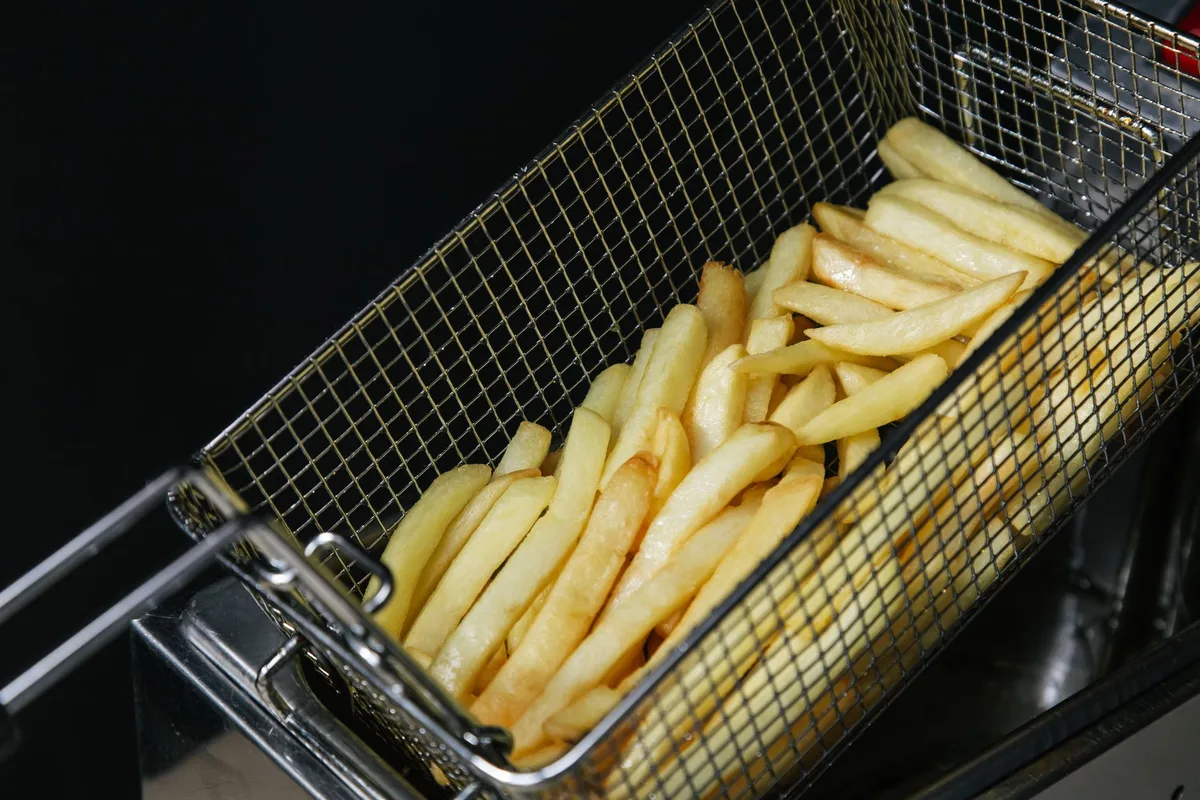
- Good For: Individual servings, reheating small portions, cooking appetizers for one or two.
- Pros: Takes up minimal counter space, heats up rapidly, often more affordable.
- Cons: Severely limited in cooking quantity; won't fit larger items like a whole potato or chicken pieces for more than one person. You might find yourself "batch cooking" in a small fryer, which defeats some of its speed advantages.
Medium/Standard Air Fryers (3.5 – 5 qt)
This is often the sweet spot for many households, typically fitting 2-3 people comfortably. If you're cooking for a small family, making side dishes for a larger meal, or want to prepare main courses like chicken tenders or fish fillets without running multiple batches, a medium-sized air fryer is a solid choice. They offer a good balance between cooking capacity and physical footprint on your counter.
- Good For: Weeknight dinners for couples or small families, larger side dishes, main proteins for 2-3 people.
- Pros: Versatile for various meals, manageable size that doesn't dominate the kitchen, can cook a decent portion without needing multiple cycles.
- Cons: May still require multiple batches for larger families or when entertaining guests. Some main courses, like a whole chicken, won't fit.
Large/Family Air Fryers (5.5 – 7 qt)
When you've got a busier household, regularly entertain, or simply love cooking bigger batches of your favorite fried foods, a large air fryer becomes essential. These machines are designed to handle more substantial meals. You can typically cook a whole chicken, a generous amount of fries for four people, or multiple servings of vegetables all in one go.
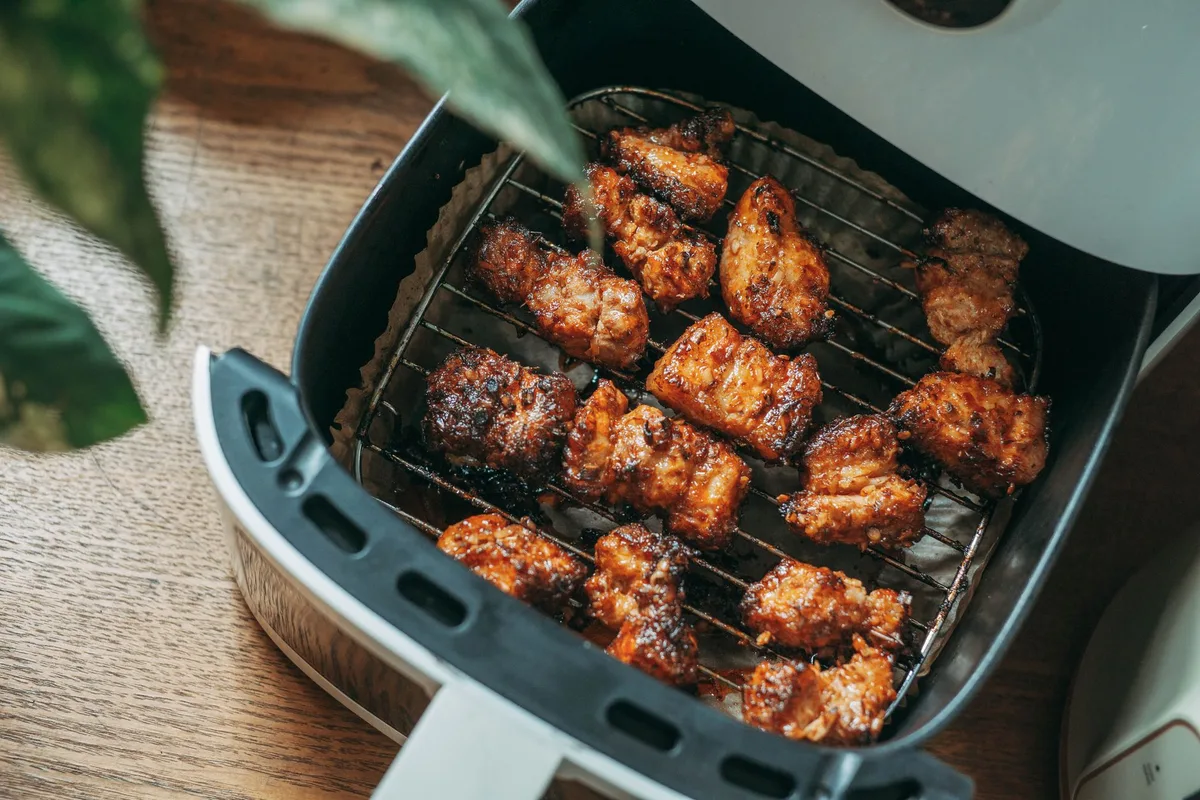
- Who it's right for: Families of 4-6, those who frequently host gatherings, or people who like to cook larger portions for leftovers.
- Benefits: Significantly reduces the need for cooking in multiple batches, can accommodate larger food items.
- Drawbacks: Takes up more counter space; might require a bit more time to preheat compared to smaller models.
Extra Large/XL Air Fryers (7 qt+)
These are the behemoths of the air fryer world, designed for serious cooking. If your household is large (6+ people), you’re a frequent host, or you love to meal prep large quantities of food, an extra-large air fryer might be what you need. Some models even offer dual baskets, allowing you to cook two different items simultaneously at different temperatures and times, dramatically increasing your cooking efficiency.
- Best for: Large families, frequent entertainers, serious meal preppers.
- Advantages: Maximum cooking capacity, ability to handle very large items or multiple dishes at once.
- Considerations: Requires substantial counter space and may have a higher initial cost.
Basket-Style vs. Oven-Style Air Fryer Sizes
When you're looking at air fryers, you'll notice two main styles: the classic basket-style and the air fryer oven. Their sizes are often described differently, and it's important to understand what those dimensions actually mean in terms of usable cooking space.
Basket-Style Air Fryers: These are incredibly common and what most people picture when they think of an air fryer. They have a pull-out basket where you place your food. The "size" or capacity, usually listed in quarts, refers directly to the volume of this basket. A 5-quart basket can hold roughly a 2-3 pound chicken or about 1-2 pounds of fries for optimal crisping. They're generally simpler to use and clean.
Air Fryer Ovens: These look more like small countertop convection ovens. They have shelves or racks inside and often a glass door so you can monitor your food. While their overall external dimensions might be larger, their usable internal space can vary greatly. Manufacturer specs will usually give a total volume (often in liters or cubic feet) and may also specify the size of the racks. A 20-liter air fryer oven might have a similar or even larger effective cooking area for certain items compared to a 5-quart basket model, especially if you utilize multiple racks for things like dehydrating or cooking a variety of foods simultaneously.
The choice between them often depends on how much volume you need and what else you might want the appliance to do; air fryer ovens can typically perform additional functions like baking or toasting.
Practical Tips for Choosing Your Air Fryer Size
Deciding on the perfect air fryer size isn't just about picking the biggest or smallest unit. It’s about finding an appliance that seamlessly integrates into your daily life and kitchen setup. Thinking through a few key areas will help ensure you make a choice you'll be happy with.
Consider Your Household Size
This is probably the biggest driver. If it's just you, a compact 1.5 to 3-quart unit is likely more than sufficient. Need to feed a partner and maybe a child? A 3.5 to 5-quart model will probably hit the mark.
For families of three or four, aim for the 5.5 to 7-quart range to avoid constant cooking cycles. And if you have a larger crew or love hosting, 7 quarts and up, potentially with dual baskets, is the way to go.
Assess Your Countertop Space
Air fryers, especially the larger ones, can take up a significant amount of room. Before you fall in love with a model's capacity, measure your available counter space. Remember to account for ventilation; most air fryers need a few inches of clearance around them. You don't want to cram an appliance into a tight spot, as this can affect performance and even be a safety hazard.
If counter space is really limited, a smaller unit or one with a vertical design might be a better fit.
Match Size to Your Go-To Meals
Think about what you’ll actually be cooking most often. Are you primarily making crispy fries and chicken nuggets for the kids? Or are you hoping to roast a whole chicken for Sunday dinner, or maybe bake a small loaf of bread? A compact fryer might struggle with whole proteins or larger baked goods.
On the other hand, a huge oven-style air fryer might be overkill if you're just looking to quickly crisp up some frozen appetizers. Matching the size to your typical meal preparation will lead to greater satisfaction.
Common Mistakes When Choosing Air Fryer Size
When people are new to air frying, there are a few common missteps that can lead to purchasing the wrong size appliance. Understanding these pitfalls can help you avoid them and make a more informed decision.
Buying Too Small: This is probably the most frequent mistake. You might be tempted by the lower price or smaller footprint of a compact model, only to find it's constantly overflowing. Trying to cram too much food into an air fryer basket prevents air circulation, leading to uneven cooking and soggy results instead of that signature crispiness. You end up having to cook in batches, which negates the speed advantage of air frying. Aggregate user reviews often highlight frustration with undersized baskets when trying to cook for more than one or two people.
Overestimating Your Needs: While it's good to have capacity, buying a massive air fryer oven when you live alone or are a couple can be just as problematic. These larger units take up a lot of valuable counter space and may also use more energy to preheat. For very small tasks, they can also be less efficient, potentially not getting items as crispy because there isn't enough food density to create the right cooking environment. You might end up letting it gather dust if it's too much of a hassle for everyday use.
Ignoring Physical Dimensions: People often focus solely on the quart capacity and forget to check the actual external measurements of the appliance. A 7-quart air fryer might have a generous basket, but if the unit itself is very tall or deep, it might not fit under your cabinets or in its intended spot. Always check the product specifications for height, width, and depth, and remember to factor in clearance for ventilation. Remember, standard kitchen countertop height is generally around 36 inches, but you still need that space above the appliance.
Not Differentiating Basket vs. Oven Sizes: Confusing the quoted capacity of a basket-style air fryer with the total volume of an air fryer oven can lead to disappointment. A 7-quart basket can hold a specific amount, but a 7-quart oven might offer a different usable space due to its multi-shelf design. Always clarify whether the measurement refers to the basket volume or the overall oven capacity to accurately gauge how much food you can actually prepare.
These Are the Best Air Fryers for Different Needs
Choosing the right air fryer size really hinges on who you're cooking for and your kitchen setup. A compact 2-quart air fryer is perfect for a solo cook, while a 7-quart model or larger can handle family dinners. If you're often making meals for three or four people, you'll likely find a sweet spot in the 3.5 to 5-quart range, which offers a good balance of capacity and counter-space friendliness.
- For 1-2 people: Look for compact models (1.5, 3 qt). They heat up fast and are easy to store.
- For 2-4 people: Medium sizes (3.5, 5 qt) offer versatility for weeknight meals and side dishes.
- For 4-6 people / entertaining: Go large (5.5, 7 qt) to cook more in a single batch.
- For large families / heavy meal preppers: Extra-large (7 qt+) or dual-basket models provide maximum cooking power.
Do Bigger Air Fryers Cook Better?
Bigger doesn't always mean better, but it usually means more capacity. A larger air fryer, like a 7-quart or higher model, can cook more food at once. This is a huge advantage if you're feeding a family of four or more, or if you like to make large batches of things like fries, chicken wings, or roasted vegetables. You won't have to cook in several rounds, saving you time and energy.
However, a larger unit also means a bigger physical footprint on your countertop and potentially a longer preheating time. For smaller households or individuals, a massive air fryer might be more than you need and could end up feeling cumbersome. The key is to match the size to your actual cooking needs and available kitchen space.
How Much Food Fits in a 5-Quart Air Fryer?
A 5-quart air fryer is a popular choice because it’s a good all-rounder for many households, typically serving 2-4 people. In terms of actual food, you can usually fit about 1 to 1.5 pounds of fries in a single layer. For proteins, you could cook 2-3 chicken breasts, 4-6 chicken tenders, or a smaller whole chicken (around 3-4 pounds) if it fits comfortably without touching the heating element.
It's important to remember that "fitting" doesn't always mean "cooking optimally." For the best crispy results, it's recommended to cook food in a single layer, allowing air to circulate around each piece. So, while you might be able to stuff more into the basket, you won't get as good of a result as you would with a properly spaced, single layer.
Are Air Fryer Ovens Worth It for Size?
Air fryer ovens can be worth it if you're looking for more versatility and potentially higher overall capacity than a standard basket-style unit. Their ability to cook on multiple racks at once means you can get more food done simultaneously. For example, you might be able to dehydrate fruit on one rack while air frying chicken on another, or cook a side dish like roasted potatoes alongside a main protein.
While their external dimensions might be larger, their multi-shelf design can make them more efficient for certain tasks or larger quantities. However, their performance can vary depending on the specific model and how well the hot air circulates across all racks. If your primary need is just basic air frying for a small family, a basket-style might be simpler and take up less counter space.
What If My Air Fryer Is Too Small?
If you've realized your air fryer is too small for your needs, you have a few options. The most straightforward solution is to purchase a larger unit that better suits your household size and cooking habits. When looking for a replacement, reconsider the capacities we've discussed: a 5-quart model for 2-4 people, or a 7-quart or larger for bigger families.
Another approach is to cook in batches. This means preparing smaller portions of food and cooking them in separate cycles. While this works, it can be time-consuming and might not be ideal if you need to serve everyone at the same time. For some appliances, you can also find accessories like extra racks or divided baskets that can slightly increase the usable cooking surface area and improve efficiency, though they won't fundamentally change the unit's maximum capacity.