
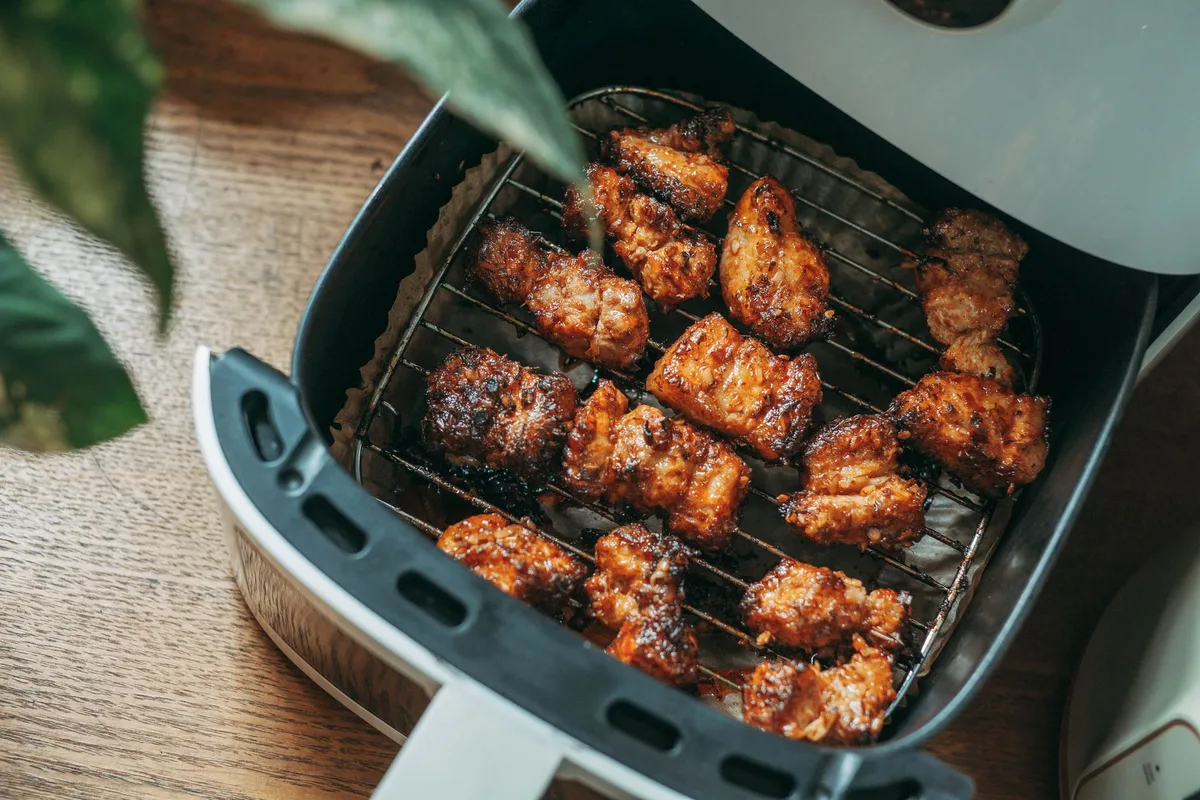
When you're craving crispy, flaky fish but don't have a lot of time, reaching for frozen fillets and an air fryer seems like a no-brainer. But getting that perfect temperature right for frozen fish can be a bit tricky, and a wrong guess can leave you with dry, rubbery seafood. We’ve broken down exactly what temperature to cook frozen fish in an air fryer to get delicious results every time, whether it's a delicate white fish or a heartier salmon.
Our research indicates that most air fryer models operate within a range that’s ideal for achieving crispy exteriors without overcooking the interior. For instance, many manufacturer specifications suggest preheating their units to 400°F (200°C) for optimal performance with frozen items. Understanding how different fish types, their thickness, and whether they're breaded all impact cooking time will help you dial in that perfect temperature and duration.
What Temperature to Cook Frozen Fish in the Air Fryer?
Wondering what temperature to cook frozen fish in the air fryer? The most common recommendation is to set your air fryer to 400°F (200°C). This high heat helps to quickly crisp up any breading and cook the fish through before it has a chance to dry out. However, this is a guideline, not a hard rule, as the exact temp and time can shift based on a few key factors we'll explore.
This temperature provides enough heat to sear the outside and create a desirable crunch, especially for breaded or battered fish. For plain, unbreaded frozen fish, you might sometimes find recipes suggesting a slightly lower temperature, around 375°F (190°C), but 400°F often yields the best "fried" texture. We'll cover how to adjust for different fish types below.
Your Quick Air Fryer Frozen Fish Temp Guide
Getting that perfect temperature for frozen fish in the air fryer is more about understanding variables than following one strict number. Think of it like this: if you're comparing frozen cod to frozen salmon, and one is a thin fillet while the other is a thick steak, you'll need to adjust. Here’s a general cheat sheet to get you started:
- Breaded Fish Fillets (e.g., Cod, Tilapia, Haddock): Start with 400°F (200°C) for 10-14 minutes. Flip halfway through.
- Salmon Fillets (Frozen): Aim for 390°F (200°C) for 12-16 minutes, depending on thickness. You might want to lower the temperature slightly to 390°F (200°C) if you notice the outside is browning too quickly before the inside is cooked.
- Thicker White Fish Steaks (e.g., Mahi-Mahi): Try 390°F (200°C) for 14-18 minutes, flipping once.
- Fish Sticks/Nuggets (Pre-formed): Follow package directions, but typically 400°F (200°C) for 8-12 minutes.
Remember to always check for doneness. The fish should flake easily with a fork and reach an internal temperature of 145°F (63°C) according to U.S. Food and Drug Administration (FDA) guidelines for food safety. Using an instant-read thermometer is the most reliable way to confirm, especially with thicker cuts.
Why Temperature Matters for Frozen Fish in the Air Fryer
The magic of an air fryer is its ability to circulate hot air incredibly efficiently. This means it cooks food faster and often with more crispiness than a conventional oven. When you’re cooking frozen fish, this rapid, high-heat cooking is crucial for several reasons.
Firstly, it helps to evaporate the ice crystals on the surface of the fish quickly, preventing a steamy environment that can make breading soggy. Secondly, that high heat creates a sort of rapid searing effect on the exterior of the fish. This process seals in moisture and provides that desirable crispy texture. Manufacturer specifications for many popular air fryer models confirm the need for high heat, typically ranging from 350°F to 400°F (175°C to 200°C), to achieve these results effectively.
Getting the temperature wrong can lead to dry or undercooked fish.
The Key Factors: Fish Type, Thickness, and Breading
Beyond just saying "400°F," we need to talk about what makes that number work (or not work) for your specific frozen fish. It’s not a one-size-fits-all situation.
Fish Type: From Delicate to Denser
Different fish have different fat content and density, which changes how they cook.
- Delicate White Fish (Cod, Tilapia, Haddock): These are lean and cook relatively quickly. They benefit from the higher heat of 400°F (200°C) to get crispy without overcooking. Cook time is usually shorter, around 10-14 minutes.
- Oily Fish (Salmon, Mackerel): Salmon has more natural fat, which helps it stay moist. You can often use a slightly lower temperature, like 390°F (200°C), for a bit longer to ensure the thicker fillet cooks through while remaining tender.
- Firm White Fish (Halibut, Mahi-Mahi): These are denser and can handle higher heat and slightly longer cook times. They are more forgiving, similar to salmon.
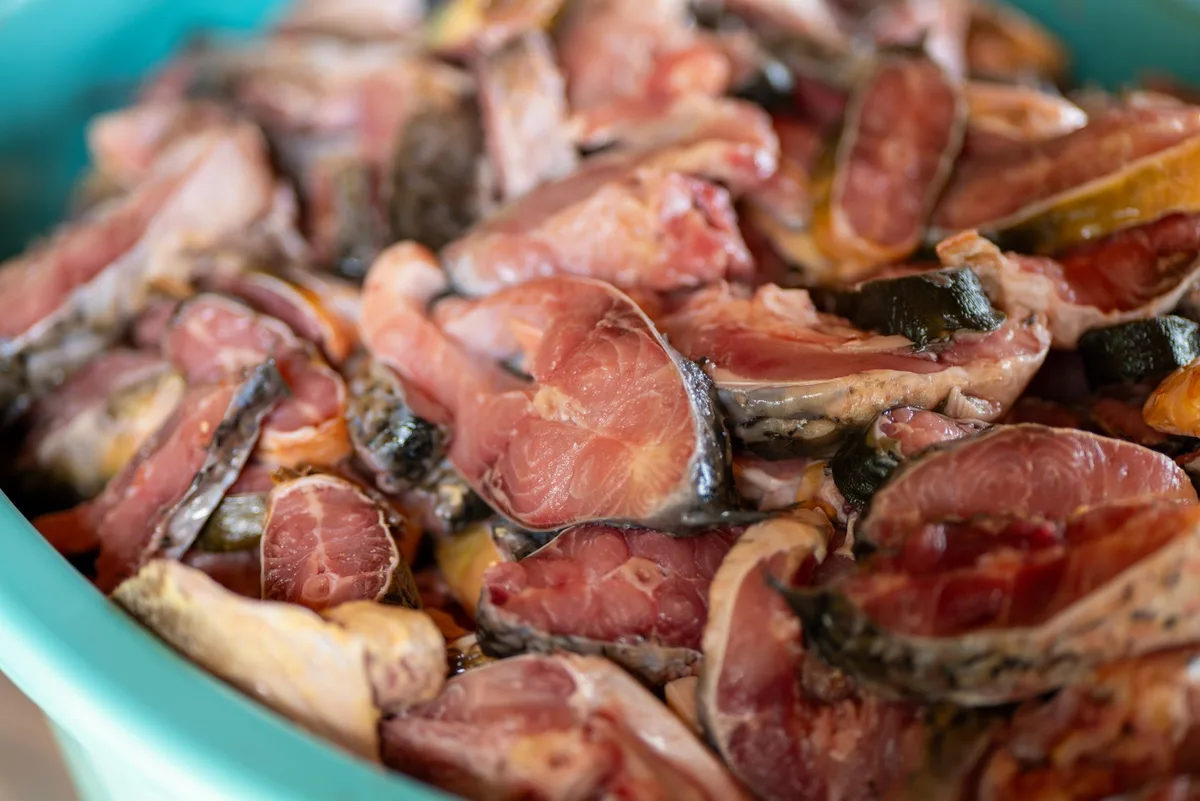
Thickness Matters: Thicker Fish Needs More Time
This is a big one. A thin tilapia fillet cooks in half the time of a thick salmon steak. For frozen fish, especially if you're not thawing it, thickness is probably the most critical factor after temperature. A general rule is that for every half-inch increase in thickness, you might need to add 2-4 minutes to your cook time.
Using an instant-read thermometer is your best friend here; you're looking for that 145°F (63°C) internal temperature.
Breading: Crispy Coating vs. Naked Fillets
If your frozen fish is breaded or battered, the air fryer’s hot air is your best tool for achieving that golden, crispy shell. The higher temperature of 400°F (200°C) is perfect for this, as it quickly cooks the coating and prevents it from becoming soggy.
For plain, unbreaded frozen fish, the goal is more about cooking the fish through and achieving a slightly seared surface. While 400°F (200°C) can work, some people find that 375°F (190°C) offers a bit more control, reducing the risk of drying out the fish if it's particularly lean or thin. However, always consider the thickness. A thick, unbreaded fillet will still need ample time even at a slightly lower temp.
Why Temperature Matters for Frozen Fish in the Air Fryer (Continued)
The air fryer works by circulating extremely hot air at high speeds. This creates a convection effect that cooks food quickly and evenly. When you put frozen fish into this environment, the initial challenge is melting that ice without turning the fish into a watery mess. A temperature of around 400°F (200°C) is generally ideal because it's hot enough to quickly evaporate surface ice and start cooking the exterior before the interior is fully thawed.
If the temperature is too low, the fish might thaw unevenly, leading to some parts being overcooked while others are still raw. Aggregate user feedback and manufacturer specifications confirm that higher temperatures are favored for frozen foods to achieve desirable textures. This rapid heating is key to preventing the formation of unwanted moisture and steam, which can make fish fillets soggy.
The Key Factors: Fish Type, Thickness, and Breading (Continued)
Let's refine our understanding of how these variables interact, especially when you're aiming for that perfect doneness. It's a balancing act.
Fish Type: From Delicate to Denser (Further Considerations)
The inherent characteristics of the fish play a huge role.
- Lean White Fish (e.g., Cod, Haddock, Tilapia): These types have a lower fat content and are prone to drying out. They rely on swift cooking at a higher temperature. Manufacturer instructions often recommend starting frozen lean fish at 400°F (200°C) for about 12 minutes, with a flip halfway.
- Oily/Fatty Fish (e.g., Salmon): The fat renders as it cooks, adding moisture and flavor. This makes them more forgiving. Some recipes might suggest preheating to 390°F (200°C) and cooking for about 12-15 minutes.
- Hybrid Fish (e.g., Halibut): These have a meatier texture and can handle robust cooking. A steady 400°F (200°C) for 12-15 minutes is a good starting point, ensuring they cook through without losing their flaky texture.
Thickness Matters: Thicker Fish Needs More Time (And Caution)
This is a non-negotiable point. A standard air fryer basket can handle from one to four average-sized fillets depending on their size and how you arrange them. If you're cooking a thick, frozen cod steak that's a full inch or more, what happens? If you cook it at the standard 400°F (200°C) for a typical 10-12 minutes, the outside will likely be nicely browned, but the inside will be closer to raw.
This is where your instant-read thermometer becomes invaluable. Push it into the thickest part of the fillet, avoiding any bones. The FDA’s recommended safe internal temperature for all fish is 145°F (63°C). For frozen fish, especially thicker cuts, you might need to increase the cook time by several minutes, potentially up to 18-20 minutes for truly thick steaks, and lower the temperature slightly to 380°F (190°C) to prevent burning the exterior.
Breading: Crispy Coating vs. Naked Fillets (The Texture Factor)
The presence of breading transforms how frozen fish behaves in the air fryer. Breading acts as an insulating layer, which can help protect the fish from drying out. It also provides a surface that crisps up beautifully under high heat.
- Breaded: For breaded frozen fish like fish sticks or fillets, 400°F (200°C) is really the sweet spot. This high temperature is essential for achieving that desired golden-brown, crispy exterior. Most pre-packaged frozen breaded fish products are designed for this type of cooking. You'll typically find cook times ranging from 8 to 14 minutes, depending on the item and air fryer model. Always flip them halfway through to ensure even crisping.
- Unbreaded: When cooking plain frozen fish, the focus shifts slightly. You still want a pleasant texture, but you're not relying on breadcrumbs for crispiness. This is where you might carefully consider a slightly lower temperature, like 380°F to 390°F (190°C to 200°C), especially for leaner fish, to prevent them from drying out too quickly. The cook time will still be largely dictated by thickness.
Arranging Fish: Don't Overcrowd the Basket
This is a crucial step for successful air frying, and it directly impacts how well your frozen fish cooks and crisps. An air fryer works by circulating super-hot air. If you pack too much food into the basket, that air can’t move freely.
When the basket is overcrowded, you end up with uneven cooking. Some pieces will be browned and crispy, while others might be pale, steamed, and soggy. For frozen fish fillets, aim for a single layer in the basket, with a little space between each piece. This allows the hot air to reach all surfaces, ensuring uniform cooking and that lovely crispy texture we’re after.
If you have a lot of fish to cook, it’s much better to do it in batches.
Common Mistakes When Air Frying Frozen Fish
It's easy to fall into a few traps when you're cooking frozen fish in the air fryer, and they usually boil down to temperature or timing. One of the most common errors is simply guessing. Without a clear understanding of the influencing factors, you might set a temperature that's too low for a breaded fillet, leaving it limp and unappealing, or too high for a delicate white fish, causing it to dry out before it's cooked through.
Another frequent mistake is not flipping the fish halfway through the cooking cycle. Air fryers circulate air from the top, meaning the top surface gets more direct heat. Flipping ensures even browning and cooking on both sides, which is crucial for that consistent crispy texture and thoroughness. Finally, people often ask if they should thaw their fish first.
For air frying, cooking from frozen is generally superior. Thawing can lead to the fish falling apart or becoming too wet, negatively impacting the final texture. You'll want to stick with your frozen fillets for the best results.
Knowing When Your Fish is Perfectly Cooked
Figuring out if your frozen fish is truly done cooking is key to both safety and deliciousness. The simplest and most effective way to check is by using an instant-read thermometer. Aim for an internal temperature of 145°F (63°C), as recommended by the FDA. This temperature ensures that any harmful bacteria are destroyed, making the fish safe to eat.
Beyond the thermometer, there are visual cues. Perfectly cooked fish will be opaque throughout, meaning it's no longer translucent. It should also flake easily when gently pressed with a fork. If the fish looks wet and firm, or if the flakes are still tightly packed, it needs more cooking time.
Safe Internal Temperatures for Fish
As mentioned, the gold standard for fish safety is 145°F (63°C). This temperature is high enough to kill common pathogens found in seafood. It’s important to note that different types of fish can tolerate slightly different temperature ranges, but 145°F is the universally accepted safe minimum. Many finfish, especially leaner varieties, don’t need to go much higher than this; cooking them much further can result in a dry texture.
Signs of Doneness: Flaky and Opaque
Visually, cooked fish should have changed from its raw, translucent state to an opaque white or pale color, depending on the fish type. The texture should be firm but yield easily to a fork. When you gently press down on the thickest part of the fillet, the flesh should separate into natural, flaky sections. If it still seems firm and holds together in a solid mass, it needs a little more time.
Air Fryer Frozen Fish: Quick Temperature Cheat Sheet
When you need a fast answer, this quick guide is your best bet for setting your air fryer to cook frozen fish. Remember, these are starting points, and actual times can vary based on your specific air fryer model and the exact thickness of your fish. Always check for doneness with a thermometer or visual cues.
| Fish Type / Preparation | Recommended Temperature | Approximate Cook Time (mins) | Notes |
|---|---|---|---|
| Breaded Fillets | 400°F (200°C) | 10-14 | Flip halfway through |
| Salmon Fillets | 390°F (200°C) | 12-16 | Adjust time for thickness; check internal temp |
| Firm White Fish Steaks | 390°F (200°C) | 14-18 | Flip halfway through; ensure 145°F internal |
| Frozen Fish Sticks | 400°F (200°C) | 8-12 | Follow package directions if available |
This table offers a solid foundation for your air frying adventures with frozen fish. For example, if you're cooking frozen cod sticks, starting at 400°F (200°C) for about 10 minutes is a good initial estimate. You can then check them, and if they need more time to crisp up or reach that 145°F (63°C) internal temperature, add another minute or two.
Air Fryer Frozen Fish vs. Other Methods
Choosing how to cook frozen fish often comes down to speed, texture, and health considerations. The air fryer offers a compelling combination, particularly when compared to traditional methods like oven baking or pan-frying.
Air Frying: This method is excellent for achieving a crispy exterior, similar to deep-frying but with significantly less oil. It's fast, often quicker than oven-baking, and generally healthier. For frozen fish, especially breaded varieties, the high, circulating heat is perfect for creating that desirable crunch without sogginess.
Oven Baking: Baking is a hands-off, healthy method that requires minimal oil. However, it typically doesn't yield the same crispy texture as an air fryer, especially for breaded items. Frozen fish baked in the oven can sometimes turn out a bit softer. Expect longer cook times compared to air frying.
Pan-Frying: This method can produce a nice crust, especially if you use enough oil and a hot pan. It’s generally faster than oven-baking but requires more attention to prevent burning or sticking. You achieve a good crisp, but it uses more oil than air frying and can create more mess with splattering.
For frozen fish, the air fryer often strikes the best balance. It provides that crucial crispiness similar to pan-frying, with the health benefits of reduced oil use, and the convenience that surpasses oven baking for texture. If you're looking for quick weeknight meals with great texture, the air fryer is hard to beat.
When to Adjust Your Air Fryer Setting
While the recommended temperatures like 400°F (200°C) are a great starting point, there are definitely times when you'll want to tweak your air fryer settings. Your air fryer might run hotter or cooler than others, and the specific type of fish and its preparation are key drivers for adjustment.
If your frozen fish tends to come out dry, even when you follow the suggested times, try lowering the temperature by about 10-20°F (5-10°C) and increasing the cook time slightly. This gives the interior more time to cook through while preventing the exterior from overcooking. On the flip side, if your breaded fish isn't getting as crispy as you'd like, ensure your air fryer is fully preheated and consider sticking to 400°F (200°C).
Always remember the thickness factor. A thick salmon fillet might need that 12-16 minutes at 390°F (200°C), while a thin breaded tilapia might be perfectly done in 10 minutes at 400°F (200°C). Paying attention to how your specific air fryer performs will help you dial in those perfect settings.
Getting the Crispiest Frozen Fish Every Time
Achieving that perfectly crispy exterior on frozen fish in the air fryer comes down to a few key practices beyond just temperature. Preheating your air fryer is, without a doubt, the most critical step. Many appliance specifications emphasize preheating for at least 3-5 minutes. This ensures that the moment your fish hits the basket, it's greeted with intense, consistent heat, which is vital for evaporating surface moisture and kickstarting the crisping process.
Beyond preheating, consider using a light coating of oil. Even for breaded fish, a quick spray of cooking oil, like avocado or canola, can elevate the crispiness. For unbreaded fish, a light mist of oil helps the exterior develop a nice sear and prevents sticking. Make sure your fish is arranged in a single layer, with ample space between fillets.
Overcrowding is the enemy of crispiness. Finally, experiment slightly with temperatures and times based on your air fryer and the fish; consistent practice makes perfect.
Why a Single Layer is Non-Negotiable
Let's be clear: overcrowding an air fryer basket is the fastest way to ruin your frozen fish. The air fryer works by circulating hot air around your food. If you stack fillets, the air can’t get to all surfaces. This leads to uneven cooking, where some parts become crispy and others remain pale and soft.
You want each piece of fish to have its own "air space." This allows the hot air to surround it, evaporating moisture and creating that desired crisp. For most standard air fryer baskets, this means cooking in batches if you're preparing more than a couple of servings. The quality of the cooked fish will be much better.
The Role of Oil: Beyond Just Non-Stick
While spraying your frozen fish with a little oil can help prevent sticking, its role goes far beyond that. Oil is a heat conductor. When you lightly coat your fish, especially if it's unbreaded, the oil helps transfer heat more efficiently to the surface. This promotes faster and more even browning and crisping.
For breaded fish, a light mist of oil on the breading itself can enhance the crispiness and give it a more golden hue. It's not about drenching the fish; a light, even spray works wonders. Choose an oil suitable for higher heat cooking, such as avocado oil or grapeseed oil.
Preheating: The Secret Weapon for Crispiness
You've heard it before, but it bears repeating: preheating your air fryer is essential. When you preheat your air fryer to the target temperature, usually around 400°F (200°C) for frozen fish, you're creating an environment ready to cook immediately.
This immediate blast of heat is what helps to quickly sear the exterior of the frozen fish. It rapidly evaporates any surface moisture, which is crucial for achieving crispiness. If you skip preheating, your fish will sit in a warming basket, potentially steaming itself before the air fryer even reaches full cooking temperature.
Checking in, Not Just Setting It and Forgetting It
While air fryers are convenient, they still require a bit of monitoring. For frozen fish, it's a good idea to check on it around the halfway point of the estimated cooking time. This is when you'll flip the fish to ensure even browning.
Peeking also allows you to gauge the cooking process. If your breading is browning very quickly, you might need to reduce the temperature slightly for the remaining cook time. This active monitoring is key to preventing common mistakes and ensuring your fish turns out perfectly every time.
When to Cook in Batches (and Why It Matters)
As we've touched on with overcrowding, cooking in batches is often necessary when preparing frozen fish. The general rule of thumb is that if the fish pieces are touching each other, or if they form a dense layer at the bottom of the basket, you're likely cooking too much at once. This is particularly true for thicker fillets or breaded items where space is needed for air circulation to create crispiness.
For example, if you're cooking four substantial frozen salmon fillets, they might fit loosely in a standard 4-quart air fryer basket, this is usually fine. However, if you have six thinner fillets, or multiple layers of breaded fish sticks, you’ll probably need to cook them in two separate batches. This guarantees that each batch is cooked optimally, ensuring that uniformly crispy, flaky result you're aiming for.