
You've seen the "dehydrate" button on your air fryer and wondered what it actually does. It's not a typo or a confusing extra setting; it's a powerful function that transforms your appliance into a specialized food preserver and snack maker. When you activate it, your air fryer operates differently than it does for crisping or cooking, allowing for unique culinary creations right at home.
Our research indicates that this mode typically utilizes much lower temperatures than standard air frying, often in the range of 130-180°F (55-80°C), according to manufacturer specifications, and maintains a consistent airflow to gently remove moisture from food over extended periods, sometimes yielding results after 4, 10 hours of operation. This process is key to understanding what the dehydrate function is truly for and how it can expand your kitchen capabilities.
Quick Insight: Dehydrate Turns Your Air Fryer into a Food Preserver
The core function of the "dehydrate" setting on an air fryer is to gently remove moisture from food at low temperatures. This process isn't about cooking or crisping; it's about preservation and achieving those desirable chewy or leathery textures in foods like dried fruit, jerky, and herbs. It’s a feature that unlocks a more versatile use of your appliance beyond quick meals.
Core Explanation: How Air Fryer Dehydrating Works
When you select the dehydrate setting on your air fryer, you're essentially telling the machine to perform a specific, low-temperature cooking process focused entirely on moisture extraction. Unlike its standard air frying mode, which uses higher heat to cook and crisp food quickly, the dehydrate function operates at a drastically reduced temperature range. This gentle heat is crucial for preserving the nutritional integrity and flavor of the food while slowly drawing out the water content.
Low Temperatures and Steady Airflow
Manufacturer specifications for dehydrate modes typically hover between 130°F and 180°F (55°C to 82°C). This low, steady heat prevents the food from cooking through or burning, allowing the water molecules to evaporate gradually. Simultaneously, the air fryer's fan circulates this warm, dry air continuously around the food. This constant airflow is what efficiently carries away the moisture being released, preventing it from re-condensing on the food and hindering the drying process.
Think of it like a very gentle, continuous warm breeze drying your ingredients.
Drying vs. Cooking: It's All About Moisture
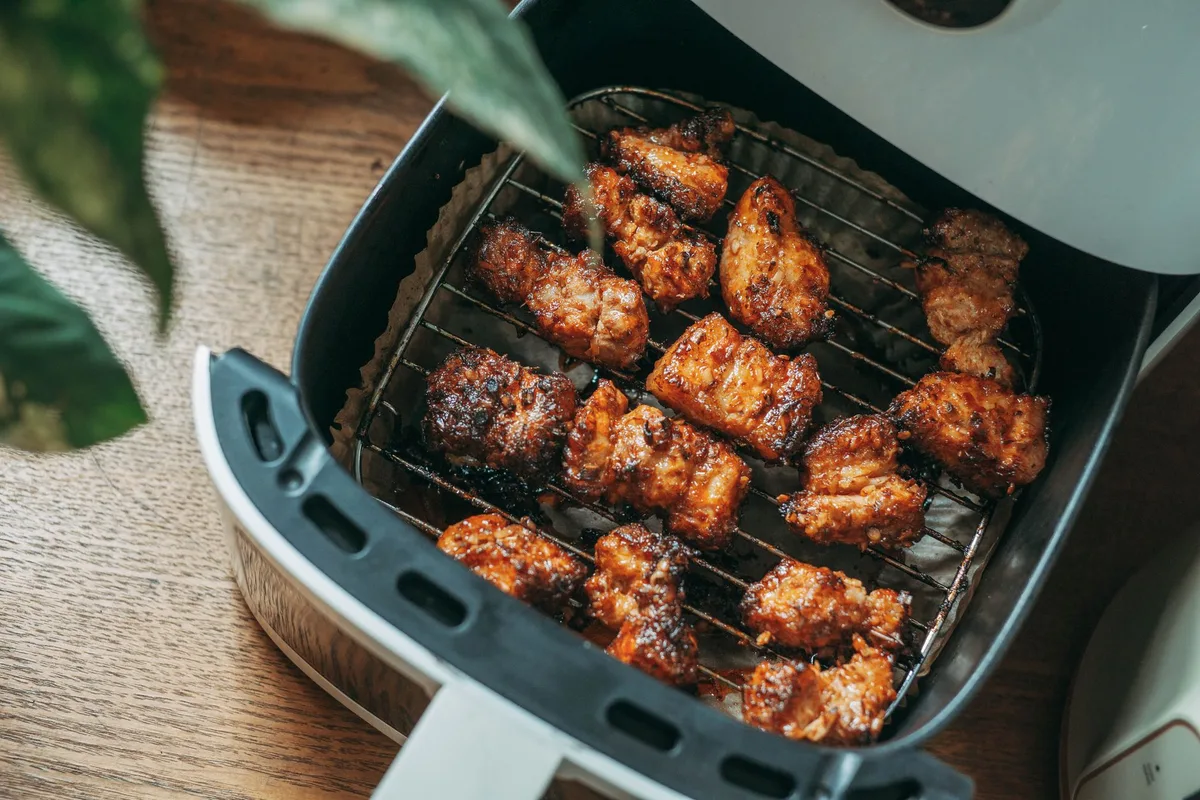
The fundamental difference between dehydrating and traditional air frying lies in their primary objective. Air frying aims to cook food rapidly and achieve a crispy exterior through intense heat and convection. Dehydrating, on the other hand, has a singular goal: to lower the water activity within the food to a point where microbial growth (like mold and bacteria) is inhibited, thus preserving the food. This reduction in moisture extends shelf life significantly without the need for refrigeration for many items.
For instance, if you're drying apple slices, the goal is to get them pliable and chewy, not hot and crispy like a baked apple.
Key Benefits of Using Your Air Fryer's Dehydrate Function
Utilizing the dehydrate function on your air fryer offers a surprisingly broad range of advantages, making it a valuable tool for anyone looking to get more out of their kitchen appliances. It moves beyond simple meal preparation into the realm of food preservation and custom healthy snacking.
Making Healthier Snacks at Home
In our research, one of the most cited benefits is the ability to create your own healthy snacks without the added sugars, preservatives, and sodium often found in commercially produced dried goods. You have complete control over the ingredients. For example, when making fruit leathers, you can use fresh fruit without any added sugar, transforming natural sweetness into a portable treat. Similarly, for jerky, you can select lean cuts of meat and your preferred marinades, avoiding the nitrates and artificial flavors common in store-bought varieties.
This level of control is a significant draw for health-conscious consumers.
Preserving Your Harvest and Herbs
If you find yourself with an abundance of fresh produce from a garden or a great deal at the market, the dehydrate function is an excellent way to preserve it. Dried herbs, for instance, retain much of their flavor and aroma for use in cooking throughout the year. You can also dehydrate excess vegetables or fruit, making them shelf-stable for later use in soups, stews, or as standalone snacks. This practice helps reduce food waste and ensures you can enjoy seasonal produce long after its natural growing season has passed.
What Can You Actually Make When You Dehydrate?
The "dehydrate" setting is your invite to explore a world of homemade possibilities that might seem daunting with other kitchen equipment. It transforms your air fryer into a versatile tool for creating unique food items you'd typically buy.
Dried Fruit and DIY Fruit Leathers
This is arguably the most popular use for an air fryer’s dehydrate function. Thinly sliced fruits like apples, bananas, mangoes, and strawberries can be transformed into chewy, flavorful treats. For dried fruit, you're aiming for a texture that is pliable but has significantly reduced moisture. Fruit leathers are even more innovative: blend puréed fruit, spread it thinly on a silicone mat or parchment paper, and dehydrate until sticky and leathery.
It's a fantastic way to make portable, naturally sweet snacks.
Homemade Jerky (Beef, Turkey, Salmon)
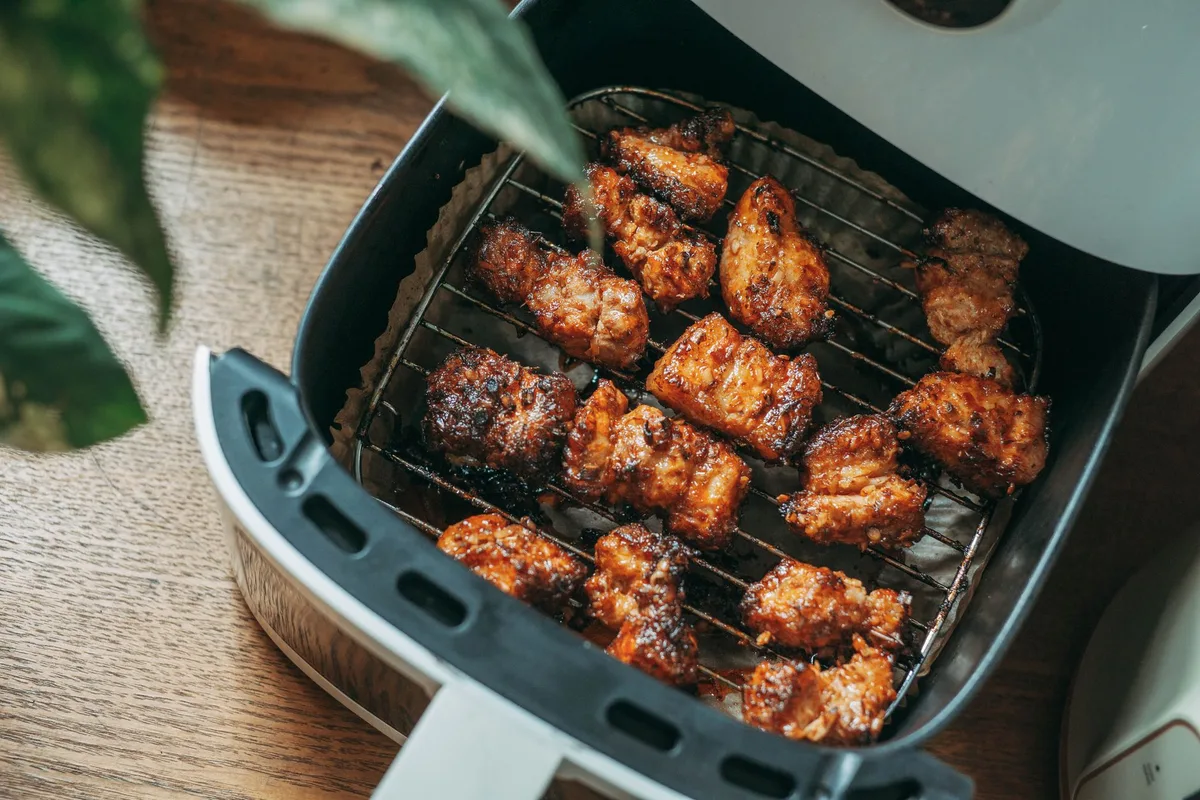
Creating your own jerky is incredibly satisfying and surprisingly achievable with the dehydrate setting. Start with a lean cut of meat, like sirloin for beef or breast for turkey, sliced very thinly. Marinate the strips in your desired combination of soy sauce, Worcestershire sauce, spices, and other flavorings for several hours. Then, arrange them on the air fryer racks, ensuring they don't touch, and let the dehydrate function work its magic.
The result is a chewy, protein-rich snack that you can customize to your exact taste preferences.
Savory Veggie Chips
Beyond sweet fruits, you can dehydrate a variety of vegetables to create crispy, savory snacks. Thinly sliced zucchini, sweet potatoes, or even kale can be tossed with a light coating of oil and seasonings before being dehydrated. While they might not achieve the same shatteringly crisp texture as deep-fried chips, they offer a satisfying chewiness and a healthier alternative. For kale chips, ensure they are very dry to achieve a delicate crispness.
Homemade Pet Treats
For pet owners looking to provide healthier options for their furry companions, the dehydrate function is ideal. Thin strips of lean meat (like chicken or beef) or even thinly sliced sweet potato can be dehydrated into nutritious and palatable treats. This allows you to control ingredients, avoiding artificial additives, and tailor treats to your pet's dietary needs.
Using the Dehydrate Function: A Workflow
Now that you know what the dehydrate setting is for, let’s walk through how to actually use it. It’s a straightforward process, but a few key steps ensure you get the best results with your air fryer. Manufacturer specifications often suggest similar approaches regardless of the specific brand you own.
Step 1: Prep Your Food Properly
The success of your dehydrated treats starts with good preparation. For fruits and vegetables, this means washing them thoroughly and slicing them uniformly. A consistent thickness, generally around 1/4 inch, is crucial for even drying. For jerky, trimming all visible fat from the meat is essential to prevent spoilage and ensure a better texture.
Fat can go rancid, even in dried products.
Step 2: Arrange for Even Drying
This is where airflow becomes your best friend. You need to ensure that air can circulate freely around each piece of food. Avoid overlapping items in the air fryer basket or on any racks your dehydrator setting uses. If your air fryer came with multiple racks, use them to maximize the surface area.
This prevents some pieces from drying out while others remain too moist.
Step 3: Setting the Right Temperature and Time
Consult your air fryer’s manual for recommended temperature and time settings for different foods. Generally, fruits benefit from lower temperatures, perhaps around 140°F (60°C), while jerky might tolerate slightly higher temperatures, closer to 160°F (71°C) in some models, to meet safety standards for meat. Your air fryer’s dehydrate function is designed to maintain these specific low temperatures consistently. Drying times vary greatly, often ranging from 4 to 10 hours, or even longer, depending on the food's thickness and moisture content.
Step 4: Checking, Flipping, and Patience
Dehydrating is a marathon, not a sprint. You’ll need to check your food periodically, perhaps every 1-2 hours, especially in the latter stages. Look for signs of dryness, the food should be pliable and feel dry to the touch, not sticky or wet. Smaller, thinner pieces will dry faster and may need to be removed earlier to prevent them from becoming brittle.
Flipping the pieces occasionally can also help ensure even drying.
Step 5: Cooling and Storing Your Dried Goods
Once your food has reached the desired level of dryness, remove it from the air fryer and let it cool completely on a wire rack. This cooling process is important because residual heat can continue to dry the food, and it also helps prevent condensation within storage containers. Store the completely cooled items in airtight containers, such as glass jars or resealable bags. If dried properly, most items like fruit and jerky can last for several weeks to months when stored in a cool, dark place.
When to Use Dehydrate vs. Regular Air Frying
Many people wonder if they can just use the regular air fry setting at a low temperature to dehydrate food. While it might seem like a shortcut, there’s a significant difference in how these modes operate, and understanding that difference is key to successful drying.
Temperature Differences
As we've touched upon, the dehydrate setting operates at much lower temperatures, typically between 130°F and 180°F (55°C to 82°C). Standard air frying modes, however, usually start much higher, often in the 350°F to 400°F (175°C to 200°C) range. If you were to use a standard air frying temperature, even on its lowest setting, you would likely cook or burn your food before it had a chance to properly dehydrate. This low-and-slow approach is what defines the dehydrate function.
Time Commitment
The duration required for dehydration is considerably longer than for typical air frying. While you might cook chicken wings in 20-25 minutes, dehydrating fruit or making jerky can take anywhere from 4 to 10 hours, sometimes even more. This extended timeframe is a direct result of the low temperatures used, they allow for gradual moisture removal without damaging the food's structure or nutrients. If your goal is a quick snack, dehydrating isn't the right function; if you're looking to preserve or create chewy treats, patience is rewarded.
Common Mistakes to Avoid When Dehydrating
Even with a straightforward function like dehydrate, a few common pitfalls can lead to less-than-ideal results. Being aware of these can save you time and food.
Overcrowding the Basket/Racks
This is probably the most frequent mistake. When food items are too close together, air circulation is significantly reduced. This leads to uneven drying, where some pieces are perfectly dehydrated while others remain damp and prone to spoilage. Always ensure there's ample space between each item; if you have to, run multiple batches.
Not Drying Long Enough
It’s tempting to pull food out once it looks dry on the surface, but this can be misleading. If the interior still holds too much moisture, the food won't store well and can quickly develop mold. It’s better to err on the side of slightly over-drying than under-drying, especially if you plan on longer-term storage. A good test is to check the chewiness and absence of any sticky residue.
Forgetting to Check and Rotate
Because air flow can vary slightly within the air fryer, some pieces might dry faster than others. Not checking and rotating your food means you might end up with a mix of textures, or some items might become too dry and brittle while others are still needing more time. Regular checks allow you to remove pieces that are done and ensure even drying for the rest.
Air Fryer Dehydrate vs. Dedicated Dehydrators
While your air fryer's dehydrate function is incredibly convenient, it’s worth considering how it stacks up against a dedicated food dehydrator appliance. Both aim for the same result, removing moisture, but they differ in capacity and sometimes efficiency.
- Capacity: Dedicated dehydrators often come with multiple tiered trays, offering a significantly larger surface area for drying. This means you can process more food at once, which is ideal if you're preserving a large harvest or making large batches of jerky. Air fryers generally have a smaller capacity, usually fitting a single layer or a few racks, limiting batch size.
- Temperature Control: While most air fryers with a dehydrate function offer precise low-temperature control, some specialized dehydrators might offer even finer adjustments or more uniform heat distribution across all levels, leading to more consistent results across a large batch.
- Space and Cost: A dedicated dehydrator is another appliance to store and a further expense. If you only plan to dehydrate occasionally or in small quantities, using your air fryer is a cost-effective and space-saving solution. If you plan to dehydrate frequently and in larger amounts, a dedicated unit might be a worthwhile investment.
Expert Tips for Dehydrating Success
Leveraging the dehydrate function effectively often comes down to a few practical insights that go beyond the basic instructions. These tips can help you achieve consistently better results and unlock more from your air fryer.
- Use Silicone Mats or Parchment Paper: For very small items like herb leaves or if your racks have large openings, consider lining them with perforated parchment paper or silicone mats designed for dehydrating. This prevents small pieces from falling through and aids in cleanup.
- Adjust for Humidity: On humid days, food will take longer to dry. Conversely, on very dry days, it might dry faster than expected. Be prepared to adjust your drying times accordingly.
- Taste as You Go: For jerky and fruit leathers, taste a small piece towards the end of the recommended drying time. This helps you gauge the flavor development and texture. Remember, the texture will also firm up slightly as it cools.
- Don't Be Afraid to Experiment: While recipes are a great starting point, feel free to experiment with different fruits, vegetables, and spice combinations for your jerky marinades. You might discover your own signature dried snacks.
Real Scenarios: What You Might Be Drying Today
Let's look at a couple of typical situations where you might reach for that dehydrate button, showing how it fits into everyday life. These aren't complex culinary feats, but rather practical ways to use your appliance.
- Scenario 1: The Abundant Apple Harvest: You’ve picked more apples than you can eat fresh. Instead of letting them go to waste, you slice them thinly, arrange them on your air fryer racks, and set the dehydrate function to 150°F (65°C) for about 6-8 hours. The result is a batch of sweet, chewy apple rings that are perfect for packing in lunches or snacking on throughout the week. This transforms a potential problem into a tasty solution.
- Scenario 2: The Weekend Jerky Project: You want to make a healthier alternative to store-bought jerky for hiking trips. You marinate thin strips of beef for 12 hours, then drain them well and lay them out on the air fryer racks. Using a dehydrate setting of 160°F (71°C), you dry them for about 5-7 hours, checking regularly until they reach that perfect leathery consistency. You’ve created a custom, high-protein snack tailored to your taste.
FAQs: Common Questions About Dehydrating with an Air Fryer
Here are some common questions people have when they start exploring the dehydrate function on their air fryers, and the straightforward answers to help you out.
Can I dehydrate fruit on the same rack as meat?
No, you should never dehydrate fruit and meat on the same rack or in the same appliance simultaneously. Raw meat can harbor harmful bacteria like Salmonella and E. coli. It’s critical for food safety to keep raw meats completely separate from other foods during the dehydrating process. Always use separate batches for meat and other items.
How do I know if my food is properly dehydrated?
Properly dehydrated food should be dry to the touch but still pliable. For fruits, think chewy but not mushy. For jerky, it should be leathery and bend without snapping, but also without feeling moist. If you can easily tear a piece and it feels wet inside, it needs more time.
What if my air fryer doesn't have a dedicated dehydrate button?
Some air fryers have a fan-only or a convection mode that can be used for dehydrating if they allow for very low temperature settings. Check your appliance’s manual to see if it offers a lowest temperature setting that falls within the 130-180°F (55-82°C) range. If it does, you can manually set it to that temperature and run it for the extended drying times required. If the lowest setting is too high, your air fryer may not be suitable for effective dehydrating.
Is it safe to dehydrate meat in an air fryer?
Yes, it is safe to dehydrate meat in an air fryer, provided you follow proper food safety guidelines. This includes using fresh, lean cuts of meat, marinating them for an appropriate time, and ensuring they reach an internal temperature during the dehydration process that pasteurizes them. Manufacturer specifications for some models suggest temperatures around 160-165°F (71-74°C) for meat dehydration to ensure pathogens are killed. Always refer to your air fryer’s manual for specific guidance on meat dehydration.
How long does it take to dehydrate food in an air fryer?
Drying times vary significantly depending on the type of food, its thickness, and the humidity of your environment. Generally, fruits can take anywhere from 4 to 10 hours, while jerky often requires 6 to 10 hours or more. Herbs might take only 1-3 hours. It’s always best to start with a recommended time and then check for doneness, adjusting as needed.
Final Decision Guide: Is the Dehydrate Function Right for You?
Deciding whether to use your air fryer’s dehydrate function often comes down to your lifestyle, kitchen habits, and what you hope to achieve. If you’re someone who enjoys making your own snacks, wants to preserve fresh produce, or makes jerky regularly, then this feature is a fantastic asset to have. It provides a convenient and space-saving alternative to dedicated dehydrator appliances for smaller batches.
However, if your primary focus is on fast cooking and crispy results, and you don't see yourself making large quantities of dried goods, this specific function might be used less frequently. For those with limited counter space or who are just starting to explore food preservation, mastering it on your existing air fryer is a great way to begin. It's about maximizing the utility of the appliances you already own and enjoying the benefits of homemade, healthy food options.