
You’ve probably seen that "dehydrate" setting on your air fryer and wondered, "Can this thing actually dry out food?" The short answer is, absolutely it can! But what does it really do, and how does it stack up against a dedicated dehydrator?
Think of your air fryer's dehydrate function as a super-low, slow-cooking setting. Instead of blasting your food with intense heat like it does for crispy fries, it uses a much gentler approach. Manufacturer specifications typically indicate a temperature range usually between 90°F and 158°F (32°C and 70°C), with the fan circulating air constantly.
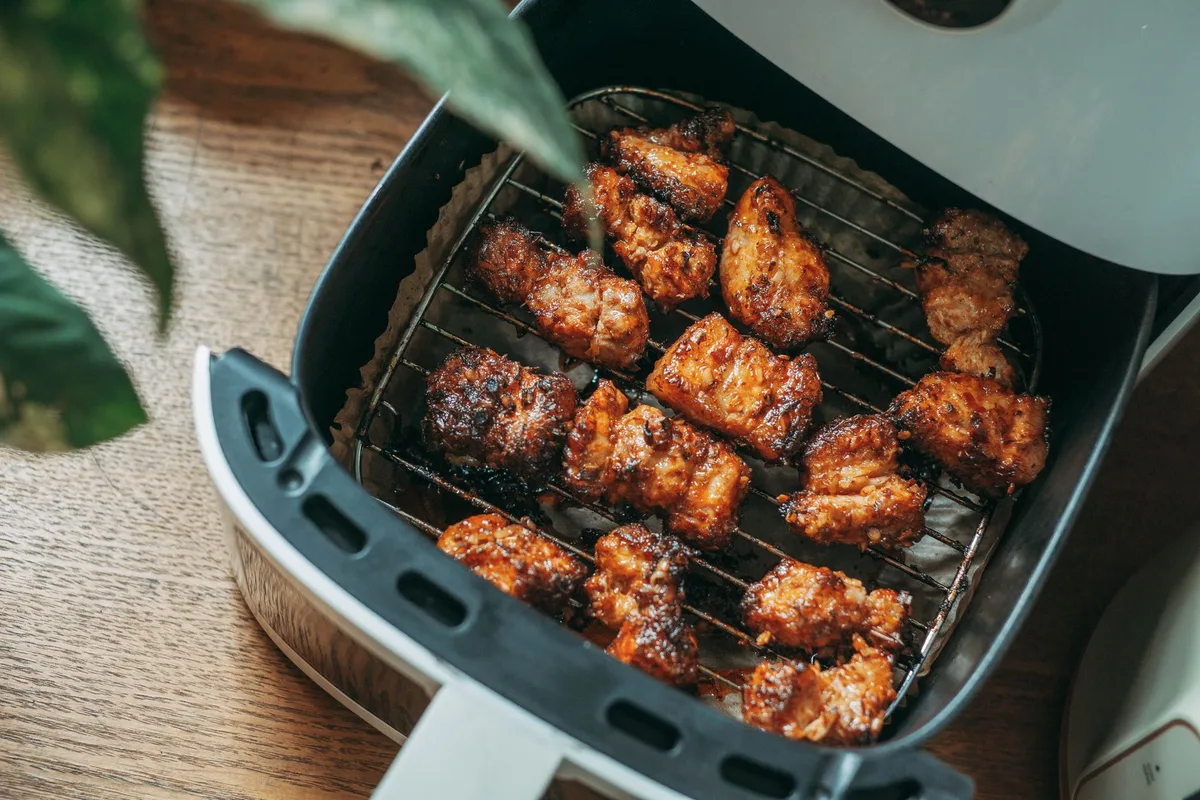
Quick Answer: What the Dehydrate Function Does
The dehydrate function on an air fryer essentially turns the appliance into a low-temperature, fan-assisted oven. It uses a gentle, consistent heat combined with continuous air circulation to slowly remove moisture from food over an extended period, drying it out without cooking it. This process is ideal for creating dried fruits, jerky, and preserving herbs.
Core Explanation: How Air Fryer Dehydrating Works
At its heart, the dehydrate setting leverages your air fryer's core components but adjusts their operation significantly. Instead of high heat and rapid air movement for crisping, it switches to a low, consistent temperature, often between 90°F and 158°F (32°C and 70°C), as confirmed by general manufacturer specifications, and a slower, steady fan speed. This combination allows water molecules to evaporate from the food's surface and interior while minimizing the cooking process.
The key is the controlled environment. By keeping the temperature low, you prevent the food from baking or frying, which would change its texture and flavor. The continuous airflow is crucial for whisking away the released moisture, preventing a humid environment that would hinder evaporation and potentially lead to spoilage or a slimy texture. It’s an exercise in patience, designed for moisture removal rather than rapid thermal processing.
Key Features: Low Temp, Fan, and Moisture Removal
The dehydrate function relies on a few critical attributes that set it apart from other air fryer settings. Firstly, low temperature is paramount. Unlike the high heat used for frying or roasting, dehydrating operates at temperatures typically ranging from 90°F to 158°F (32°C to 70°C), as confirmed by general manufacturer specifications. This gentle heat ensures food dries without cooking.
Secondly, the fan is essential. It’s not just circulating air; it's actively drawing in fresh air and expelling moist air. This constant exchange of air is what drives the evaporation process, ensuring food dries evenly and efficiently. Lastly, moisture removal is the sole objective.
The entire system is geared towards extracting water content from food, transforming its texture from fresh to chewy or brittle, depending on the item.
Pros and Cons: Air Fryer Dehydrating vs. Dedicated Units
Using your air fryer for dehydrating offers distinct advantages, but it also comes with limitations when compared to a dedicated food dehydrator.
Benefits of Air Fryer Dehydrating:
- Convenience: You likely already own an air fryer, so there’s no need for an additional appliance. This is a huge space and cost saver.
- Small Batch Capability: It’s perfect for trying out small batches of dried fruit, herbs, or a few pieces of jerky for yourself.
- Experimentation: It's an excellent entry point for those curious about dehydrating but unwilling to invest in specialized equipment.
Drawbacks of Air Fryer Dehydrating:
- Limited Capacity: Air fryer baskets are typically much smaller than dehydrator trays. You can only dry a small amount of food at once, making it impractical for large harvests or big family snacks.
- Consistency Issues: Dedicated dehydrators are engineered for even airflow across multiple trays. Air fryers can sometimes have hot spots or less consistent air circulation, potentially leading to uneven drying. You might need to rotate food more frequently.
- Temperature Precision: While many air fryers offer a dehydrate setting, the temperature control might not be as finely tuned as on a specialized unit, which is calibrated for those specific low-temperature drying ranges.
How to Use: Step-by-Step Guide to Dehydrating
When you’re ready to explore the dehydrate function, follow these steps carefully. It’s always a good idea to consult your specific air fryer’s manual, as exact controls can vary.
Preparing Your Food for Drying
Proper preparation is the first critical step for successful dehydration. For fruits like apples or strawberries, slice them thinly and evenly, aim for about 1/8 to 1/4 inch thick for consistent results. Removing pits or cores is also important. You may want to lightly toss fruit slices in lemon juice to prevent browning, though this is optional and is largely a matter of preference.
For herbs, simply ensure they are clean and dry before placing them in the dehydrator basket.
For meats, like making jerky, thinly slicing against the grain is key, typically around 1/8 to 1/4 inch thick. If you plan to marinate your meat, do so according to your recipe, but be sure to pat the strips very dry with paper towels before placing them in the air fryer. Excess marinade can inhibit drying and introduce unwanted moisture, potentially leading to spoilage or slower dehydration times.
Setting Up and Running Your Air Fryer
Once your food is prepped and ready, arrange it in a single layer on the air fryer basket or any racks you might have. Overlapping food pieces is a common error, as it will prevent air from circulating properly, leading to uneven drying. Ensure there's a little space between each item so air can do its job. Then, select the "Dehydrate" setting on your air fryer.
Set the temperature according to the food you’re drying; as of 2026, typical recommendations are around 135°F (57°C) for most fruits and vegetables, and potentially up to 158°F (70°C) for jerky, depending on your appliance. Finally, set the timer. Dehydrating takes time, often ranging from 4 to 12 hours or even longer. It’s better to set it for a longer duration and check progress than to set it too short.
Checking Doneness and Storing
During the long drying process, it’s important to check your food periodically. Every couple of hours is a good starting point, and you can increase the frequency as the food gets closer to being done. You may need to flip or rearrange pieces to ensure even drying across the entire batch. Test your dehydrated items for doneness: fruit should feel leathery and pliable, not brittle or squishy, and should not feel wet.
If you're making jerky, it should be dry to the touch, with some flexibility but without snapping. It should not feel sticky or wet to ensure proper moisture reduction for preservation.
Once your food is fully dehydrated, let it cool completely at room temperature. Then, store it in airtight containers. For dried fruits and herbs, a cool, dry pantry is usually fine. However, for jerky, refrigeration is often recommended to maintain quality and safety over longer periods.
Proper sealing is crucial to prevent moisture reabsorption.
Common Mistakes to Avoid When Dehydrating
Even with the convenience of an air fryer's dehydrate setting, it's easy to run into trouble if you're not careful. The most common pitfall is overcrowding the basket. When you pack food too tightly, air can't circulate effectively, leading to uneven drying and potentially promoting the growth of bacteria or mold, especially with meats.
Another frequent mistake is setting the temperature too high. If the heat is too intense, you'll end up baking or cooking your food rather than gently drying it. This changes the texture and flavor, defeating the purpose of dehydration. Always stick to the lower temperature ranges recommended for your specific appliance and food type, referring to manufacturer specifications to confirm the available settings.
Finally, impatience is a major enemy of good dehydration. It's a slow process, and pulling food out too early because you're eager for a snack will result in food that spoils quickly. It’s crucial to let the food dry thoroughly until it reaches the desired consistency and moisture content, as indicated by its feel and flexibility.
When to Use Your Air Fryer vs. a Proper Dehydrator
Deciding whether to use your air fryer or a dedicated dehydrator often comes down to quantity and consistency. If you're looking to dry a small handful of herbs from your garden or make a single serving of apple chips for yourself, your air fryer is perfectly suitable. It’s also great for experimenting with new recipes without a big investment, and it uses less energy than a full-sized oven.
However, if you're processing a large batch of fruit from a recent grocery haul, preserving a significant quantity of vegetables from your garden, or making a substantial amount of jerky, a specialized food dehydrator is the better choice. These units are designed with multiple trays that allow for much larger capacities and often have more precise temperature controls and airflow systems, ensuring more consistent drying across all levels. Think of the air fryer for small, spontaneous projects and the dehydrator for dedicated preservation or larger culinary endeavors, such as preparing food for long-term storage.
What You Can Dehydrate: Popular Food Ideas
The versatility of the dehydrate function opens up a world of homemade snack possibilities. One of the most popular uses is for dried fruits. Thinly sliced apples, pears, bananas, and mangoes transform into chewy, naturally sweet treats. You can also create fruit leathers by pureeing fruits and spreading them thinly on a silicone mat for later rolling.
Herbs are another fantastic candidate. Drying your own basil, oregano, mint, or rosemary allows you to preserve their potent flavors for use in cooking year-round. They dry much faster than fruits or meats, often within a few hours. For those craving savory snacks, jerky is a prime option.
Thinly sliced beef, turkey, or even plant-based alternatives can be marinated and dehydrated into satisfying, protein-rich snacks.
You can also dehydrate certain vegetables. Mushroom slices become intensely flavorful and can be rehydrated for soups or stews, or finely ground into mushroom powder. Thinly sliced onions can be dehydrated and then ground into onion powder for seasoning.
Jerky Safety: Dehydrating Meat Correctly
Dehydrating meat, such as making beef or turkey jerky, requires special attention to food safety. Raw meat can harbor harmful bacteria, and the dehydration process must reduce the moisture content sufficiently to inhibit bacterial growth and enzymatic activity. Manufacturer specifications and food safety guidelines from organizations like the U.S. Department of Agriculture (USDA) are critical here.
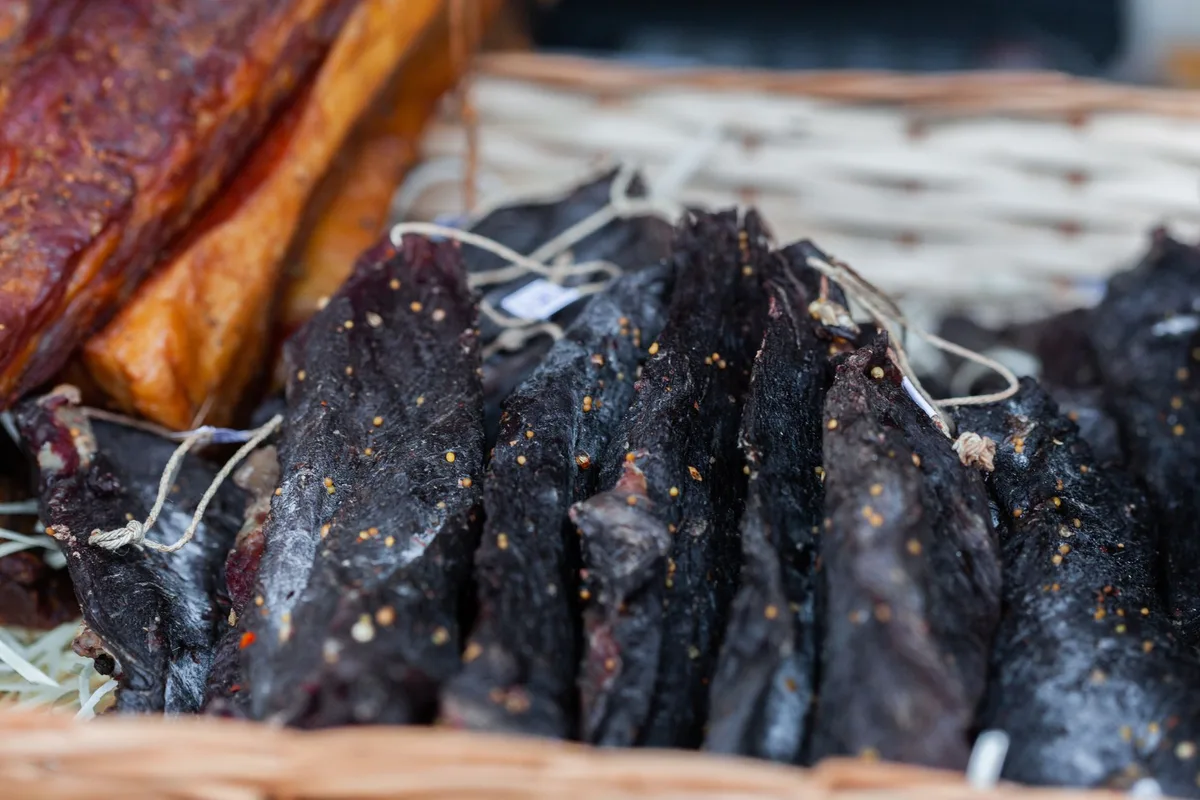
The USDA recommends that jerky be heated to an internal temperature of 160°F (71°C) for beef and 165°F (74°C) for poultry before or after the drying process to kill potential pathogens. Some dehydrators have specific settings for this, or you can achieve this by heating the marinated meat in a conventional oven before placing it in the air fryer’s dehydrate setting. Always ensure your meat is lean, as fat can go rancid more quickly. Proper drying and storage are essential for preventing spoilage and ensuring the jerky is safe to eat.
Expert Tips for Better Dehydrated Snacks
To elevate your air fryer dehydrating game, a few pro tips can make a big difference. First, uniformity in slicing is king. When all your pieces are the same thickness, they’ll dry at the same rate, preventing some items from becoming over-dried while others are still moist. This is especially important for uniform results when making beef jerky.
Pay close attention to the humidity in your kitchen; on particularly damp days, dehydration can take significantly longer. You might need to extend drying times or ensure good ventilation around your air fryer. Don't be afraid to experiment with marinades for jerky, but remember to pat the meat dry afterward. For dried fruits, a light coating of natural sweetener like maple syrup or honey can enhance flavor and texture, but use these sparingly to avoid hindering the drying process.