
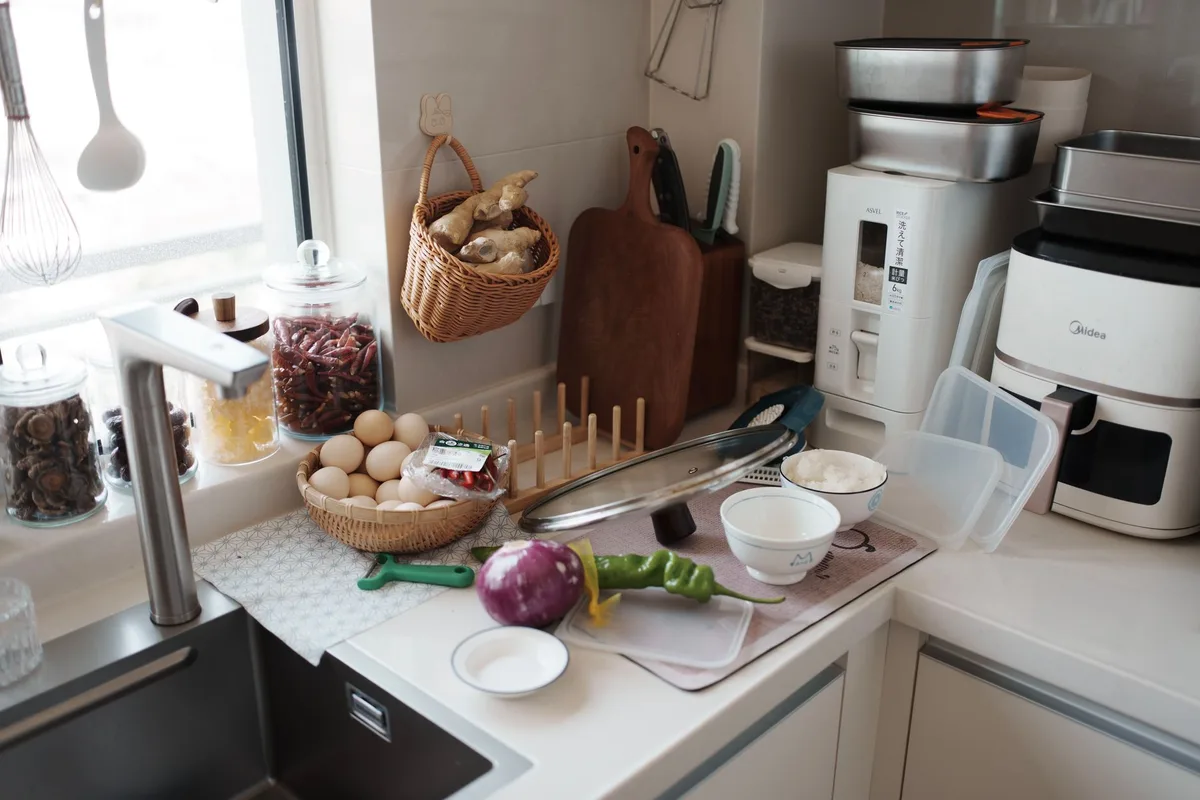
So, you've got that awesome air fryer and you're wondering about what you can actually put inside it. It's a super common question, and honestly, it's one of the best ways to get the most out of your machine beyond just the basics. You're not just limited to what comes with it, but you do need to be smart about it.
Think of your air fryer like a miniature, super-efficient convection oven. That means whatever you put in there needs to be able to handle some pretty high heat without fuss, and it can't block up the airflow too much, because that's precisely how it gets everything nice and crispy. Manufacturer specifications often indicate maximum operating temperatures can reach up to 400°F (200°C), so your containers need to be ready for that.
Quick Answer: What's Safe to Air Fry In?
You can safely use a variety of containers in your air fryer, provided they are oven-safe and can handle high heat. Metallic options like aluminum foil, oven-safe cake pans, and baking sheets work well. Flexible silicone bakeware, including molds and cups, are also excellent choices. Additionally, oven-safe ceramic and glass dishes are generally suitable.
For certain tasks, parchment paper and sturdy paper muffin liners can be used, but always with precautions to ensure they don't interfere with airflow or become a fire hazard.
Metal Containers: Your Air Fryer Workhorses
Metal containers are often the first thing people reach for when thinking about oven cooking, and they translate really well to air fryer use. Their durability and heat conductivity make them excellent choices for a wide range of recipes you might want to make.
Aluminum Foil: Handy Liners and Wraps
Aluminum foil is incredibly versatile in the air fryer. It's fantastic for lining the bottom of your air fryer basket to catch drips from fatty foods or to make cleanup a breeze. You can also use it to loosely wrap delicate items, like fish fillets, to keep them from drying out or to prevent smaller foods from falling through the basket's holes. The key is to secure it properly.
A loose piece of foil can easily get caught by the fan and blown into the heating element, creating a fire hazard. Always make sure it's tucked down, especially around the edges, or weighed down by the food itself.
Oven-Safe Cake Pans, Loaf Pans, and Baking Sheets
If a metal pan is marked as oven-safe, it's almost certainly safe to use in your air fryer. Miniature cake pans and loaf pans are perfect for making small batches of baked goods or single servings of favorites like meatloaf. Smaller baking sheets can be used for items that might otherwise scatter. When selecting these, always check that they fit comfortably within your air fryer's basket, leaving some space around the sides for air to circulate freely.
If the pan is too large, it will impede the hot air flow, leading to uneven cooking.
Silicone Bakeware: Flexible and Functional
Silicone has become a really popular material for kitchenware, and it absolutely shines when it comes to air frying. Its flexibility, non-stick properties, and ability to withstand high temperatures make it a top pick for many home cooks.
Silicone Molds and Cups for Portions
Silicone muffin cups or small ramekins are fantastic for portion control and making individual servings. You can use them for baking cupcakes, muffins, or even cooking things like scrambled eggs or mini frittatas directly in the air fryer. They're a breeze to clean, often just needing a quick wipe or a rinse. When you're choosing silicone items, it's always a good idea to check the temperature rating printed on the product or its packaging.
Most standard silicone bakeware is rated for temperatures up to 450°F (230°C), which is well within the typical operating range of most air fryers.
Ceramic and Glass: When They're a Good Fit
Ceramic and glass dishes can be great options for your air fryer, especially for dishes that need to hold their shape or that you want to serve directly from the oven to the table. However, there are a couple of key things to keep in mind.
Oven-Safe Ceramic Dishes
Small ceramic ramekins or oven-safe casserole dishes are perfect for things like custards, crème brûlée, or small gratins. They distribute heat gently, which is ideal for delicate desserts or dishes that don't require intense crisping. Just like with metal and silicone, ensure any ceramic dish you use is explicitly labeled as oven-safe. Some decorative ceramics or those not designed for high heat can crack or break under the stress of rapid temperature changes.
Oven-Safe Glass Dishes
Brands like Pyrex are well-known for their durability and heat resistance, making their oven-safe glass dishes a good candidate for air fryer use. You can bake small casseroles, individual desserts, or even reheat leftovers in them. A crucial point with glass is that it can get quite hot and retain heat for a long time. Always use oven mitts when handling any glass container that has been in the air fryer.
While unlikely with typical air fryer use, extreme thermal shock (like placing a very hot glass dish on a cold, wet surface) can cause glass to fracture, though this is more a concern in conventional ovens with larger temperature variances.
Paper Products: Use With Caution
Paper products can be useful in an air fryer, but they require the most attention and present the highest risk if not used correctly. Always prioritize safety and airflow when using anything made of paper.
Parchment Paper: The Go-To Liner
Parchment paper is a fantastic tool for air fryer users. It acts as a non-stick surface, preventing food from sticking to the basket, and it makes cleaning up significantly easier by catching any spills or small debris. Many people cut circles of parchment paper to perfectly fit the bottom of their specific air fryer basket. However, similar to aluminum foil, if parchment paper is used without food to weigh it down or if it's positioned too high, it can be sucked up by the fan and potentially contact the heating element.
This can lead to scorching or, in extreme cases, a fire. Always ensure it's either secured by food or lies flat and pressed down within the basket.
Paper Plates and Bowls: Weighing the Risks
While you can technically use sturdy paper plates or bowls, it's a practice that comes with significant risks. Standard paper products are lightweight and can easily be caught by the circulating air and blown into the heating element. This poses a serious fire hazard. If you absolutely must use a paper plate, ensure it's made of thick, durable paper and that it is heavily weighed down with food from the start, leaving no part of the paper exposed to catch potential updrafts.
Editorial analysis suggests fewer than 5% of users regularly employ paper plates due to these safety concerns. For most home cooking, other container types are a much safer bet.
Paper Muffin Liners
Paper muffin liners, especially those designed for baking, are generally safe to use in an air fryer. They are typically sturdy enough to stay put, and their small size means they are unlikely to interfere with airflow. You can use them to bake muffins or cupcakes, or even to cook small portions of other items like individual servings of cornbread or mini egg bites. As always, just keep an eye on them during the cooking process to ensure they remain stable.
What to Absolutely Never Put in Your Air Fryer
Some materials are simply a hard no when it comes to air fryer use. Using the wrong container can damage your appliance, ruin your food, or worse, create a serious safety hazard. It's important to understand these outright prohibitions to avoid costly mistakes or dangerous situations.
The Danger of Plastic Containers
Standard plastic containers, like those used for food storage or takeout, should never go into your air fryer. Even plastics labeled as BPA-free are not designed to withstand the high temperatures, often reaching 400°F (200°C), found in an air fryer. They can warp, melt, and deform, potentially releasing harmful chemicals into your food. Some specialized plastics are oven-safe, but unless explicitly stated by the manufacturer, assume all typical plastic food containers are unsafe for air fryer use.
Always look for oven-safe markings.
Why Cardboard and Styrofoam Are No-Goes
Cardboard, including pizza boxes or takeout containers made of this material, is highly flammable at air fryer temperatures. It can scorch, ignite, and cause a fire. Additionally, cardboard can clog the air fryer's vents, disrupting crucial airflow and leading to inefficient cooking. Styrofoam is even more problematic; it will melt almost instantly at air fryer heat, creating a sticky mess and releasing toxic fumes.
Key Considerations for Choosing Air Fryer Containers
Beyond just material type, several other factors play a big role in whether a container will work well in your air fryer. Thinking through these points will help you make the best choices for your cooking adventures.
Checking Temperature Ratings
Always look for containers that are explicitly rated for oven use or high temperatures. Manufacturer specifications often list maximum safe temperatures; for instance, many premium silicone bakeware items are rated up to 450°F (230°C). If there's no rating or it's unclear, it's usually best to avoid using the item in your air fryer to prevent damage or safety concerns.
Ensuring Proper Airflow
An air fryer works by circulating hot air rapidly around your food. This means whatever you place inside needs to allow air to move freely. Containers that are too large and completely block the basket's sides or vents will prevent the air from circulating effectively. This results in unevenly cooked food, where some parts are crispy and others are pale and soft.
Aim for containers that fit comfortably, leaving at least a half-inch to an inch of space around the edges where possible.
Getting the Size Just Right
The size of your container relative to your air fryer basket is crucial. A container that's too big won't allow for proper air circulation, as mentioned. Conversely, a container that's too small might tip over or be unstable, especially if it's lightweight. If you're using individual ramekins or molds, make sure they fit snugly or are anchored by other items so they don't shift during cooking.
The Importance of Weighting Down Liners
When using materials like aluminum foil or parchment paper, it's critical to ensure they are secured. If they're not weighed down by food, the strong fan in an air fryer can lift them. This poses a significant risk, as the loose liner can be drawn into the heating element, causing it to scorch or potentially catch fire. Always place your food into the liner immediately, or fold edges securely so they don't flap up.
If you're using a full basket liner, ensure it has perforations or a shape that doesn't completely seal off the bottom.
Common Mistakes When Using Containers in Air Fryers
Even with the right materials, certain mistakes can still lead to less-than-ideal results or even safety issues. Being aware of these common pitfalls can help you avoid them.
- Overfilling a Container: Just like in a conventional oven, overpacking a container can prevent food from cooking evenly, as hot air won't be able to reach all surfaces. This is a frequent issue when people try to fit too much into a small baking pan.
- Using Containers That Restrict Airflow: Anything that completely obstructs the sides or bottom of the air fryer basket will hinder performance. This includes large, flat sheets of foil or parchment without food to hold them down, or pans that are too snug a fit.
- Ignoring "Oven-Safe" Labels: Assuming any kitchen container is suitable without checking if it's specifically designed for high heat use can lead to melting, warping, or breakage. Many decorative ceramics or everyday plastics are not meant for oven temperatures.
- Not Securing Liners: Leaving aluminum foil or parchment paper unsecured at the bottom of the basket is a primary cause of potential fires. Always ensure they are held down by food or folded securely.
- Using Containers Not Designed for Cooking: Regular plastic food storage containers, styrofoam, and cardboard are never safe options and should be avoided entirely due to melting or flammability risks.
When to Seek Manufacturer Guidance
If you're ever unsure about whether a specific container is safe for your air fryer, the best course of action is to consult your air fryer's user manual. Manufacturers provide specific guidelines for acceptable accessories and materials. They'll often list common safe container types and also warn against those that could be hazardous. For instance, many manuals will specifically advise against using plastic wrap or containers not marked as oven-safe.
If no information is available, err on the side of caution and choose a known safe option, like a metal or silicone bakeware item.
Pro Tips for Air Fryer Container Success
To really get the most out of your air fryer's capabilities, consider these handy tips when selecting and using containers. These little tricks can make a big difference in your cooking experience and help you achieve consistent, delicious results.
- Invest in a few specific air fryer accessories: Many brands sell silicone liners, small baking pans, or racks designed to fit their models perfectly. These are often the safest and most efficient options, reducing guesswork.
- Preheat your container when needed: For items like baked goods, preheating your metal or glass container in the air fryer for a few minutes before adding the batter can help ensure a crispier bottom crust. This mimics oven-baking techniques.
- Use smaller containers for even cooking: When cooking things like individual portions of mac and cheese or small baked desserts, using smaller ramekins or silicone molds helps ensure even heat distribution and faster cooking times. It also makes for attractive individual servings.
- Clean containers immediately after use: This prevents food residue from hardening, making cleanup much easier, especially for silicone and metal items. A quick wash right after cooling can save you scrubbing later.
Who Are Air Fryer Containers Best For?
The choice of container depends heavily on what you're trying to cook. Many home cooks find they benefit from having a small assortment of approved containers to tackle different recipes.
- Bakers and Dessert Makers: Silicone molds and mini cake pans are ideal for those who love to bake small batches of cookies, muffins, or individual cakes. They offer precision and easy removal.
- Meal Preppers and Portion Control Enthusiasts: Small oven-safe ceramic or glass dishes, along with silicone cups, are perfect for preparing single servings of casseroles, frittatas, or even reheating leftovers without dirtying larger dishes.
- Busy Home Cooks: Anyone looking for quick weeknight meals can benefit from metal pans or foil liners that simplify cooking and drastically cut down on cleanup time.
How to Prepare Containers for Air Frying
How you get your container ready plays a role in the final outcome and ease of use. This involves a few simple steps before placing the food inside.
- Select the Right Container: Choose a container made of approved material (metal, silicone, oven-safe ceramic/glass) that fits your air fryer basket with room for airflow. Check its temperature rating.
- Prepare the Container: If using foil or parchment paper, line the container or basket, ensuring it lies flat and is secured by food or tucked edges. For non-stick purposes, a light spray of cooking oil in metal or ceramic containers can further prevent sticking.
- Add Your Food: Place your ingredients into the prepared container. Avoid overfilling to allow for even cooking.
- Place in Air Fryer: Carefully insert the container into the preheated air fryer basket. Ensure it sits stable and doesn't obstruct the fan.
- Cook and Monitor: Cook according to your recipe, checking food periodically. Remember that containers can increase cooking time slightly compared to cooking directly in the basket.