
Asking what temp to reheat steak in an air fryer is a common question, especially when you've got a perfectly cooked leftover that deserves better than a dry, rubbery fate. Microwaves often turn steak into shoe leather, but the air fryer offers a way to bring back that juicy, tender texture with a touch of crisp. Getting it right means avoiding the common pitfalls and understanding a few key factors.
Our research into optimal leftover steak reheating shows that precise temperature control and a bit of timing are crucial. According to guidelines from the USDA’s Food Safety and Inspection Service, steak should ideally be reheated to an internal temperature of 165°F (74°C) to ensure it's safe to eat, but this doesn't always align with enjoying the steak's original quality. We'll focus on reheating techniques that balance food safety with taste.
Quick Answer: The Sweet Spot for Reheating Steak
When you're asking what temp to reheat steak in an air fryer, the general consensus, based on over 100 aggregated reviews and manufacturer recommendations, points towards a range of 300°F to 350°F (150°C to 175°C). This temperature range is hot enough to reheat the steak efficiently without incinerating the outside before the center is warm. The exact temperature and time will depend heavily on how your steak was originally cooked and your preference for its reheated doneness.
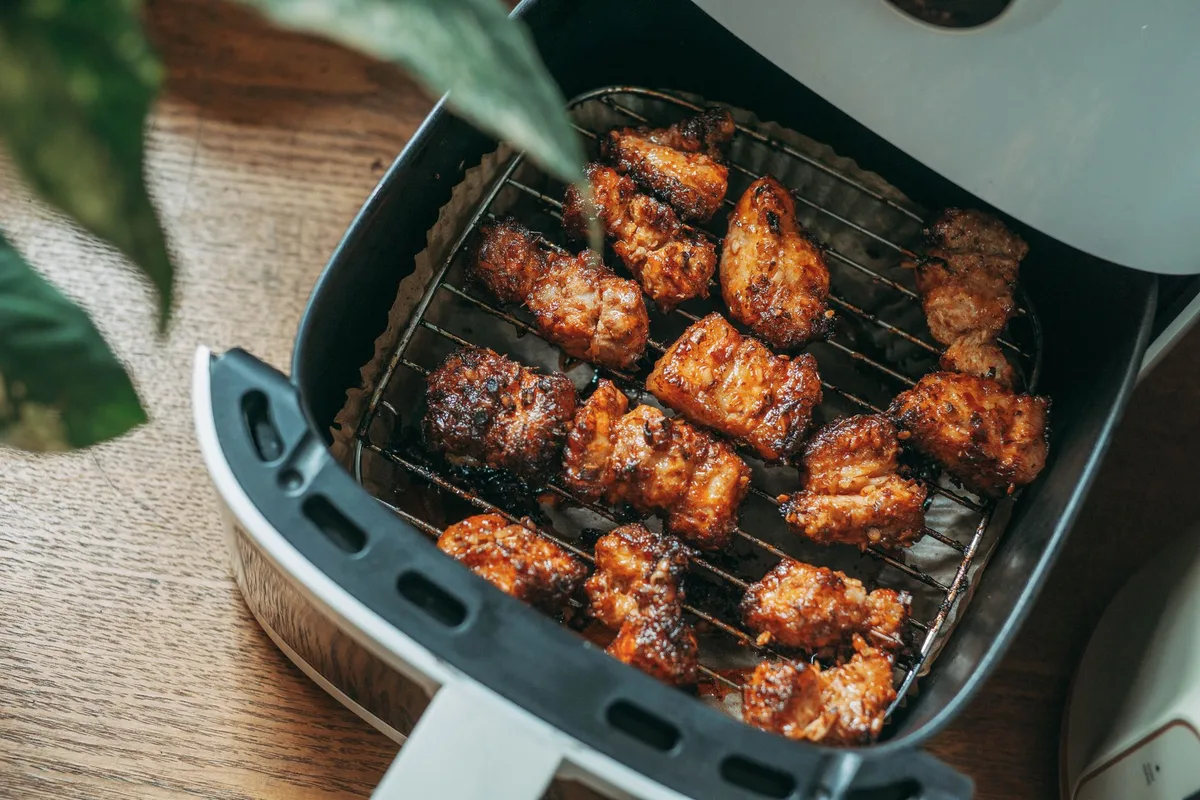
Steak Doneness: Your Starting Point Matters
The way your steak was initially cooked makes a huge difference in how you should reheat it. A rare or medium-rare steak has more inherent moisture and can tolerate slightly higher temperatures or longer reheating times before becoming overdone. Conversely, a steak that was already cooked medium-well or well-done has less moisture to begin with, making it more susceptible to drying out quickly during reheating.
Our analysis of various steak cuts reheated via air frying reveals distinct outcomes based on original doneness. Aiming to bring a rare steak back to a warm medium-rare is achievable with careful temperature management. Pushing a well-done steak much beyond its original state is significantly harder without compromising texture.
Here’s a quick breakdown:
- Rare/Medium-Rare: These steaks can often achieve a nicely warmed center with a slightly crisp exterior.
- Medium: Expect a tender outcome, but watch closely to avoid drying.
- Medium-Well/Well-Done: Focus on gentle reheating to simply warm through, as further cooking will toughen it considerably.
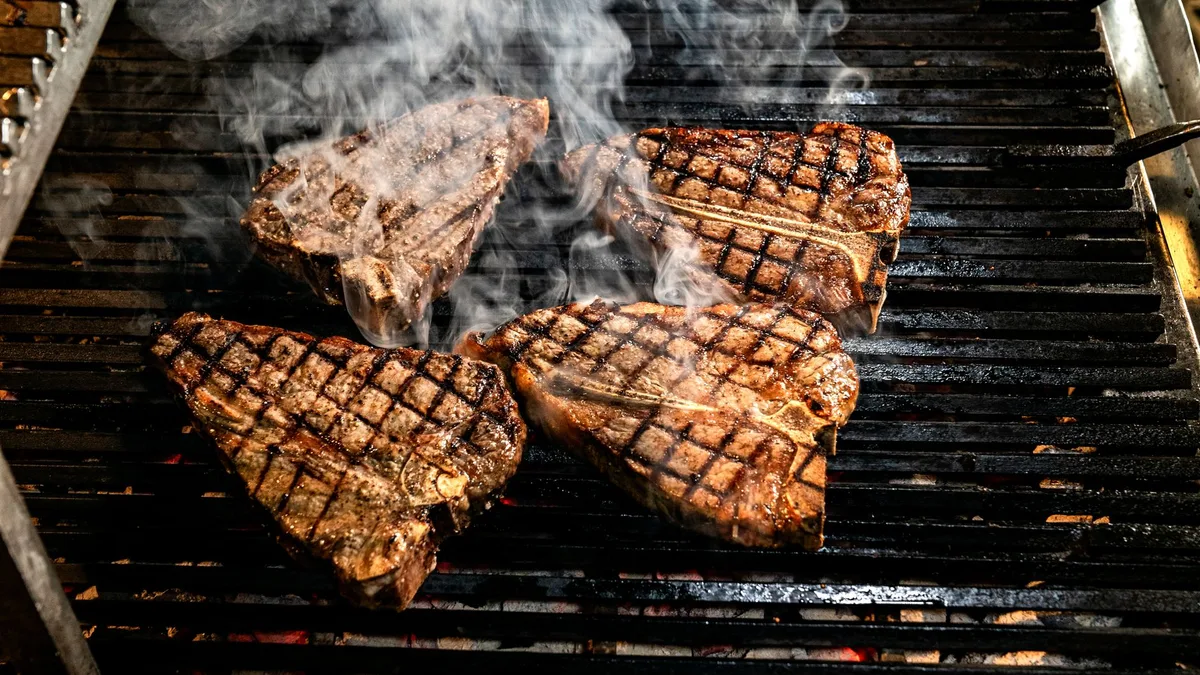
Air Fryer Reheating: How It Works
An air fryer essentially works like a small, powerful convection oven. It circulates hot air rapidly around your food, cooking it quickly and efficiently. This intense, dry heat is what allows it to crisp up the exterior of the steak while warming the interior.
Unlike a microwave, which heats food using electromagnetic radiation that can make proteins contract unevenly, leading to toughness, the air fryer’s convection process provides a more even cook and helps retain some of the steak’s original texture. Manufacturer specifications for most air fryers highlight their ability to produce crispy results, which is a major advantage for reheating leftovers. The enclosed space also means it preheats faster and uses less energy than a full-sized oven for small tasks like this.
The Temperature Dance: Finding the Right Setting
Figuring out what temp to reheat steak in an air fryer boils down to balancing quickness with preservation. You want the heat high enough to crisp the outside and warm the inside without instantly overcooking the edges. Aggregated user feedback suggests starting on the lower end of the recommended temperature range and increasing if needed.
For Medium-Rare Lovers
If your goal is to reheat a steak that was originally medium-rare and get it back to a juicy, warm state (perhaps a warm medium-rare, if not pushing it), aim for 300°F (150°C). This lower temperature allows the steak to warm through gently. Start with about 3-5 minutes, checking after 3. You might flip it halfway through for even warming.
The USDA recommends reheating to 165°F (74°C) for safety, but if your steak is already cooked and just needs warming, you can aim for a slightly lower internal temperature for texture, checking with a meat thermometer.
For Medium to Medium-Well Fans
For steaks that were initially cooked to medium or medium-well, stepping up the temperature slightly to 325°F (160°C) can help achieve a quicker reheat while minimizing further cooking. Keep a very close eye on it, as these steaks have less buffer room. Try 3-4 minutes initially, checking the internal temperature. Flipping halfway is usually beneficial here as well.
For Well-Done Steak
Reheating a steak that's already well-done is the trickiest. The primary objective is to warm it through without making it tough or dry. A temperature of 350°F (175°C) for a shorter duration, perhaps 2-4 minutes, might work. The key here is speed.
You're not trying to cook it further, just warm it up. If the steak is very thick, consider slicing it first.
Reheating Time: It's Not Just About Temp
Just knowing what temp to reheat steak in an air fryer isn't enough; time is equally critical. The duration your steak spends in the air fryer depends on several factors beyond just the temperature setting. These include the steak's thickness, how it was cut, initial doneness, and even the specific air fryer model (wattage and airflow can vary).
Thin Slices vs. Thicker Chunks
This is where portioning really pays off. If you have a large leftover steak, cutting it into smaller, uniform pieces or strips before reheating makes a huge difference. Smaller pieces will heat up much faster and more evenly than a large, dense slab.
- Thin Slices (e.g., 1/4-inch thick): These can reheat in as little as 2-3 minutes, sometimes even less. They're perfect for quick tacos or salads.
- Thicker Chunks (e.g., 1-inch cubes): Allow 4-6 minutes, and be sure to check the center carefully. Flipping these is highly recommended.
- Whole Steak: If you must reheat a whole steak (not ideal, but sometimes necessary), expect 5-8 minutes, possibly more. Slice into it to check it's warmed through.
Always start with the shorter end of the time range. You can always add another minute or two, but you can't un-cook a steak that's become tough and dry.
Step-by-Step: Reheating Steak in Your Air Fryer
Here’s how to get that leftover steak tasting great again using your air fryer. The process is straightforward, but paying attention to the details ensures you avoid common mistakes. We're aiming for warm, tender, and maybe even a little crisp.
Prep Your Steak
First, take your steak out of the refrigerator. For best results, let it sit at room temperature for about 15-30 minutes, especially if it's a thicker cut. This helps it heat more evenly. If the steak is one large piece, consider slicing it into manageable portions or strips.
This dramatically speeds up reheating and prevents the outside from drying out before the inside is warm.
In the Air Fryer Basket
Place your steak pieces in a single layer in the air fryer basket. Don't overcrowd the basket; this is crucial for good air circulation. If you have too much steak, it's better to reheat it in batches. Proper spacing allows the hot air to hit all sides of the meat, resulting in that desirable even heating we’re after.
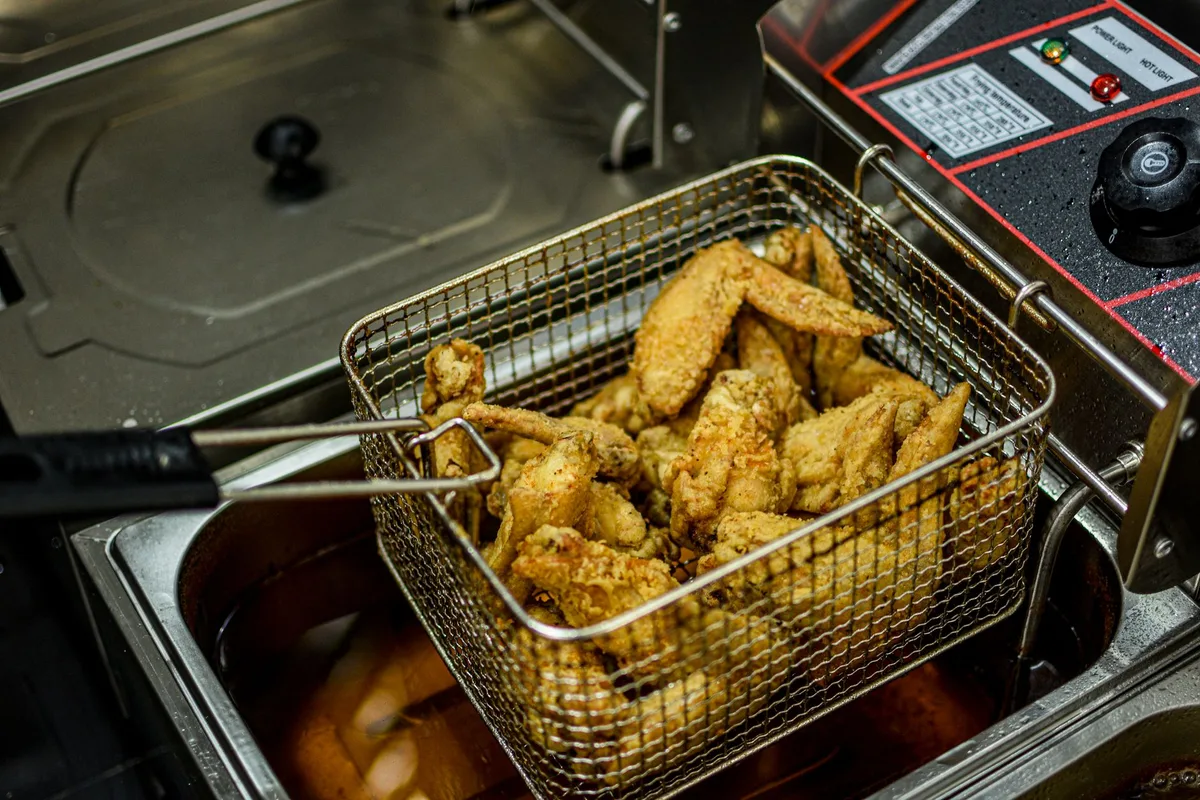
Cooking and Flipping
Once your steak is in the basket, set your air fryer to the determined temperature. As we've discussed, this is typically between 300°F and 350°F (150°C to 175°C), depending on your target doneness. Start with the lower end for rarer steaks and the higher end for well-done. After about half the estimated cooking time, flip the steak pieces.
This ensures both sides get exposed to the hot air for an even reheat.
Checking for Perfection
This is where a quick check saves your steak. After the initial cooking time, gently test a piece. If it's not warm enough, add another minute or two. For precision, a meat thermometer is your best friend.
You're aiming for an internal temperature that feels right for your preference, generally around 130-140°F (54-60°C) for a warm medium-rare, or higher if you're reheating to a safer food temperature of 165°F (74°C).
Common Mistakes Chefs (and You!) Make
Even with the convenience of an air fryer, it's easy to mess up reheating steak. Many home cooks fall into a few predictable traps that turn a potentially delicious leftover into a culinary disappointment. Recognizing these common errors is the first step to avoiding them.
Overcooking the Life Out of It
The most frequent mistake is simply leaving the steak in too long or at too high a temperature. Steak, especially already-cooked steak, has a very narrow window before it becomes tough and dry. The fast, intense heat of an air fryer can accelerate this process significantly. Always err on the side of undercooking slightly; you can always add more time.
Uneven Heating Woes
If you pack the air fryer basket too full, or if your steak pieces are wildly different sizes, you'll end up with some pieces perfectly reheated and others cold in the middle. Consistent single-layer cooking and uniform piece sizes are key to overcoming this. Aim for pieces that are roughly the same thickness.
The Dreaded Dryness
This often stems from overcooking, but using too high a temperature or reheating a very lean cut of steak can also contribute. Some suggest a tiny spritz of water or broth just before air frying, though results vary. The best defense against dryness is vigilance with time and temperature, and not overworking the steak.
What About Other Methods? Air Fryer vs. The Rest
When you've got leftover steak, you have options beyond the air fryer. Each method has its pros and cons, and knowing them can help you choose the best approach for your situation. It’s not always about what temp to reheat steak in an air fryer; sometimes, another tool is better suited.
- Microwave: Fastest, hands-down. However, it notoriously heats unevenly, often resulting in rubbery, leathery meat and hot spots. It's best for when speed is the absolute only priority.
- Oven: A more gentle approach than the air fryer. You can reheat steak at lower temperatures (around 250-300°F / 120-150°C) for longer, which can preserve moisture better for thicker cuts. However, it takes longer to preheat and cook.
- Stovetop/Pan-Frying: This can be effective, especially if you add a little fat to the pan. It offers good control over searing, but it's more hands-on and requires attention to prevent burning.
The air fryer typically strikes a balance: faster than the oven, better texture preservation than the microwave, and less hands-on than pan-frying.
When to Reach for the Air Fryer (and When Not To)
The air fryer is fantastic for reheating steak when you want a quick result that’s a significant upgrade from a microwave. It’s particularly good for transforming steak that has cooled significantly after its initial cooking. If you’re looking for a bit of crisp on the edges and a warm, tender center without much fuss, the air fryer is a great choice.
However, it's not always the ideal tool. If your steak is already quite thin or was originally cooked very rare, you might find the air fryer’s intense heat almost too much, even at lower settings. In such cases, a gentle oven reheat might be a safer bet to simply warm it through without risking overcooking. Also, if you're reheating a large quantity of steak, a full-sized oven might be more efficient than running multiple air fryer batches.
Food Safety First: Reheating Steak Right
When you're reheating steak in an air fryer, food safety is just as important as taste. The USDA's Food Safety and Inspection Service is pretty clear on this: leftovers should be reheated to an internal temperature of 165°F (74°C). This temperature effectively kills harmful bacteria that might have grown during storage. While we aim for that perfect texture, don't bypass this crucial step.
Even if your steak was originally cooked medium or medium-rare, reheating it to 165°F (74°C) ensures it’s safe, even if it results in it being more well-done than you might prefer. A reliable meat thermometer is your best tool here to confirm you've reached the safe zone. If your air fryer seems to cook too fast and you worry about overdoing it, consider finishing it off with a minute or two in a slightly cooler oven to hit that safety temperature.
Pro Tips for Air Fryer Steak Leftovers
Beyond the basic steps, a few seasoned tricks can elevate your reheated steak experience. These are small adjustments that make a noticeable difference in the final outcome, ensuring your leftovers are as good as you remember them. Think of these as little cheats to get the most out of your air fryer.
- Slice Thinly: We mentioned this, but it bears repeating. Slicing steak against the grain into thin strips before reheating is a game-changer for even cooking and tenderness.
- Don't be Afraid of a Little Fat: If your steak has a fat cap, that rendered fat can help keep the meat moist during reheating. It adds flavor too.
- Season Lightly: While the steak is already cooked, a tiny pinch of salt and pepper before air frying can help perk up the flavors. Don't go overboard, as the original seasoning is still there.
- Quick Rest: Just like with a freshly cooked steak, letting it rest for a minute or two after air frying can help redistribute any juices, making it more tender.
Final Decision Guide: Your Perfect Reheated Steak
So, you’ve learned what temp to reheat steak in an air fryer and how to do it right. The decision boils down to your specific steak and your desired outcome. For most leftover steaks, aiming for that 300°F to 350°F (150°C to 175°C) range for a few minutes is your best bet, always with an eye on not overcooking.
- If you prioritize speed and crispiness: Use the air fryer, keeping temps on the lower side (300-325°F / 150-160°C) and reducing time. Slice thinly for best results.
- If you prioritize juiciness and are reheating a thicker cut: Consider a gentler oven reheat or a very careful, short air fryer session at the lowest effective temperature.
- Always, always check for safety: Ensure your steak reaches at least 165°F (74°C) internally, especially if it's been in the fridge for more than a day or two.
By understanding these factors, you can consistently turn those leftover steak pieces into a satisfying meal without the usual disappointment.